The Carajillo – Spain’s Boozy Coffee Tradition
Some coffee drinks give you energy. Some give you warmth. The carajillo gives you both – plus a little bit of courage.
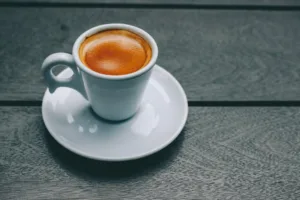
A carajillo is an espresso spiked with liquor – traditionally brandy, though rum, whiskey, and various liqueurs have all found their way into the glass over the years. It’s Spain’s version of an Irish coffee, except it’s smaller, stronger, and doesn’t bother with cream or sugar. Just espresso and booze, getting along beautifully.
It’s the kind of drink that raises eyebrows when you describe it to people who’ve never heard of it. “You put brandy in your morning coffee?” Well, not morning – usually. But after lunch? After dinner? On a cold evening in a small Spanish town? Absolutely. And it’s glorious.
What Exactly Is a Carajillo?
At its most basic, a carajillo is a shot of espresso combined with a shot of spirit – most commonly brandy (Spanish brandy, specifically) but also rum, anise liqueur (anis), whiskey, or even Licor 43 (a sweet, vanilla-citrus Spanish liqueur that’s become increasingly popular in carajillos).
The proportions are roughly equal – one shot of espresso, one shot of liquor – though this varies by bar, region, and personal preference. Some people like more coffee, some like more spirit. The beauty of the carajillo is that it’s flexible.
The drink is typically served in a small glass, and it comes out fast. There’s no elaborate preparation, no garnishes, no ceremony. It’s straightforward and unpretentious – just like Spanish coffee culture in general.
The History Behind the Carajillo
The carajillo’s origin story is one of the best in the coffee world, even if its historical accuracy is debatable.
The most popular legend traces the drink back to the Spanish colonial wars in Cuba in the late 19th century. Spanish soldiers, needing courage before battle, would mix their coffee with rum or brandy. The word “carajillo” supposedly derives from “coraje” (courage) – the drink that gave them the nerve to fight.
Another theory connects it to the word “carajo” – a Spanish expletive that’s roughly equivalent to a certain English four-letter word. The idea being that the drink was strong enough to make you exclaim… well, you get the picture.
Whatever the true etymology, the carajillo became a fixture of Spanish bar culture throughout the 20th century. It was especially popular among workers – farmers, fishermen, construction crews – who’d have one to start or end a long day. In many parts of Spain, particularly in rural areas, the after-lunch carajillo is still a deeply ingrained tradition.
Regional Variations Across Spain
Like most traditional Spanish drinks, the carajillo changes character depending on where you are.
Catalonia – The Cremat
In Catalonia (Barcelona and surrounding region), the carajillo takes a dramatic form called “cremat” or “cafe cremat.” The spirit – usually rum – is flamed (set on fire) with sugar, lemon peel, and cinnamon before the coffee is added. It’s theatrical, aromatic, and the caramelized sugar adds a depth of flavor that’s genuinely special. If you’re in Barcelona, seek this out.
Valencia and the East Coast
In Valencia and along the Mediterranean coast, brandy is the traditional spirit, and the carajillo tends to be straightforward – no flaming, no extras, just coffee and brandy in a glass. Some bars use Licor 43, which is produced in nearby Cartagena, creating a sweeter, more aromatic version.
Northern Spain
In the Basque Country, Galicia, and Asturias, you’ll find variations using local spirits – orujo (a pomace brandy similar to Italian grappa) is common in Galicia, while patxaran (sloe berry liqueur) shows up in Basque Country carajillos.
The Canary Islands
The Canary Islands have their own take: the “barraquito,” which is essentially a layered carajillo made with espresso, Licor 43, condensed milk, frothed milk, lemon peel, and cinnamon. It’s elaborate, beautiful, and tastes like a party in a glass. If you visit Tenerife or Gran Canaria, the barraquito is a must-try.
The Mexican Carajillo
The carajillo traveled to Mexico through Spain’s colonial connections, and the Mexican version has become wildly popular in its own right. In Mexico, the carajillo is almost always made with Licor 43 and espresso, served over ice in a rocks glass.
The Mexican carajillo is having a genuine moment right now. It’s become the trendy after-dinner drink in Mexico City, Guadalajara, and other major cities, and it’s starting to appear on cocktail menus in the US and beyond. The iced preparation and the use of Licor 43 (with its vanilla and citrus notes) make it incredibly drinkable – almost dangerously so.
To make a Mexican-style carajillo: fill a rocks glass with ice, pour in 1.5 oz of Licor 43, pull a double shot of espresso directly over the ice and liqueur, and give it a gentle stir. That’s it. Simple, delicious, and the perfect bridge between coffee and cocktail.
How to Make a Carajillo at Home
The carajillo is one of the easiest spiked coffee drinks to make. No special equipment needed beyond an espresso maker.
Classic Spanish Carajillo
Ingredients
- 1 shot of espresso (or strong coffee from a Moka pot)
- 1 shot (30ml) of Spanish brandy, rum, or your spirit of choice
- Sugar (optional – to taste)
Method
- If using sugar, add it to an empty glass or cup first.
- Pour in the spirit.
- Pull your espresso directly into the glass with the spirit. The heat of the espresso will warm the alcohol and meld the flavors.
- Stir briefly and drink while warm.
Catalan Cremat (Flamed Version)
Ingredients
- 1 shot of espresso
- 1.5 oz dark rum
- 1 teaspoon sugar
- A strip of lemon peel
- 1 small cinnamon stick
Method
- In a small, heat-safe pan or cup, combine the rum, sugar, lemon peel, and cinnamon.
- Carefully ignite the rum with a long match or lighter. Let it flame for about 30 seconds while gently stirring to dissolve the sugar. The blue flame is mesmerizing – enjoy the show.
- Extinguish the flame by covering with a saucer or pouring the espresso directly in.
- Stir and serve in a heat-safe glass.
- Safety note: Be careful with flaming drinks. Keep away from anything flammable, use long matches, and have a saucer ready to extinguish if needed.
Mexican-Style Iced Carajillo
Ingredients
- 1 double shot of espresso
- 1.5 oz Licor 43
- Ice
Method
- Fill a rocks glass with ice.
- Pour the Licor 43 over the ice.
- Pull the espresso directly over the ice and liqueur (or pull it separately and pour it over).
- Stir gently. The espresso and Licor 43 will meld into something that tastes like caffeinated liquid gold.
Best Spirits for a Carajillo
The spirit you choose changes the character of the drink completely. Here are the most popular options:
- Spanish brandy (Brandy de Jerez): The classic choice. Warm, smooth, with notes of dried fruit and vanilla. Brands like Fundador, Veterano, or the excellent Carlos I work beautifully.
- Licor 43: Sweet, with vanilla and citrus notes. Creates a smoother, more approachable carajillo. Perfect for the Mexican-style iced version.
- Dark rum: Adds molasses-like sweetness and warmth. Great for the Catalan cremat preparation.
- Anise liqueur (anis): Traditional in some regions of Spain. Creates a distinctive licorice-tinged coffee that’s an acquired taste but loved by many.
- Orujo: Galician pomace brandy. Fiery and herbaceous – for the adventurous.
- Whiskey: Not traditional, but it works. The caramel and smoke notes of bourbon or Scotch pair well with espresso.
When Do Spaniards Drink Carajillos?
The carajillo is primarily an after-meal drink. The most common time is after lunch (which in Spain is the main meal of the day, usually eaten between 2 and 4 PM). A cafe solo first, then a carajillo to extend the post-lunch conversation – this is a time-honored Spanish tradition.
After-dinner carajillos are also common, especially during weekend gatherings, holiday meals, and celebratory dinners. It’s the kind of drink that signals the evening is shifting from eating to talking, laughing, and generally enjoying life.
Some older Spaniards – particularly in rural areas – do have carajillos in the morning. This is becoming less common with younger generations, but it’s not unheard of to see a farmer or fisherman starting the day with a brandy-laced coffee. No judgment here.
The Carajillo in Modern Coffee Culture
The carajillo has experienced a revival in recent years, driven largely by the Mexican iced version’s popularity on social media and in cocktail bars. What was once seen as an old man’s drink in Spanish bars has been rebranded as a trendy coffee cocktail.
Specialty coffee shops and cocktail bars worldwide are now putting their own spin on the carajillo. You’ll find versions made with cold brew instead of espresso, or with craft liqueurs and artisanal spirits. Some bars create elaborate multi-layered carajillos with different spirits, foams, and garnishes.
But the soul of the carajillo remains the same – coffee and spirit, combined simply, enjoyed slowly. Whether you’re drinking one at a century-old bar in rural Spain or a hip cocktail lounge in Mexico City, the essential experience is unchanged.
Final Thoughts
The carajillo is one of those drinks that tells you something about the culture it comes from. Spain is a country that values pleasure, conversation, and the art of taking your time. A carajillo after lunch isn’t about getting drunk or getting caffeinated – it’s about extending a good moment, savoring the afternoon, and letting the warmth of the drink match the warmth of the company.
If you visit Spain, order one. If you can’t visit Spain, make one at home. Either way, you’re participating in a tradition that goes back generations – and once you taste it, you’ll understand why it’s endured.
Frequently Asked Questions
What alcohol is traditionally used in a carajillo?
Spanish brandy (Brandy de Jerez) is the most traditional choice. However, rum, anise liqueur, whiskey, and Licor 43 are all commonly used depending on the region. In Catalonia, rum is traditional for the flamed “cremat” version. In Mexico, Licor 43 is the standard.
Is a carajillo the same as an Irish coffee?
No – they’re both spiked coffees but quite different. An Irish coffee uses hot brewed coffee, Irish whiskey, sugar, and cream floated on top. A carajillo uses espresso and spirit (usually brandy) with no cream. The carajillo is smaller, stronger, and less sweet than a typical Irish coffee.
Can you make a carajillo without an espresso machine?
Yes – a Moka pot or AeroPress can produce strong enough coffee for a carajillo. The key is concentrated, bold coffee. Drip coffee is generally too weak and watery for a proper carajillo, but a strong Moka pot brew works well.
Is the carajillo a morning or evening drink?
Primarily an after-meal drink – most commonly after lunch or dinner. Morning carajillos exist in some rural areas of Spain, but they’re becoming less common. In Mexico, the iced carajillo is popular as an after-dinner drink or a weekend afternoon treat.
What does “carajillo” mean?
The origin is debated. The most popular theory connects it to “coraje” (courage) – Spanish soldiers in Cuba allegedly drank coffee with rum for courage before battle. Another theory links it to the Spanish word “carajo.” Either way, it roughly translates to a little burst of courage or spirit in your coffee.