Walking into an Italian bar for the first time can feel like stepping onto a stage where everyone else knows the script – except you. The locals are rattling off orders, tossing back espressos in seconds, and somehow paying at a completely different counter. It’s exhilarating, a little intimidating, and absolutely one of the best experiences you’ll have in Italy.
The good news? Learning how to order coffee in Italy is easier than you think. And once you get the hang of it, you’ll wonder why the rest of the world makes it so complicated. This guide covers everything – from the drinks themselves to the unwritten rules, regional quirks, and the exact phrases you need to sound like you’ve been doing this your whole life.
Understanding Italian Coffee Culture
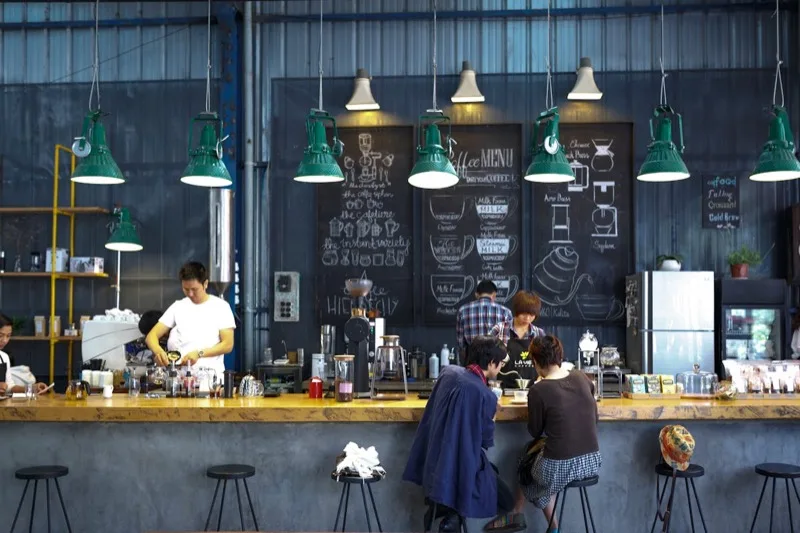
Coffee in Italy isn’t a lifestyle accessory or a productivity hack. It’s a daily ritual – quick, social, and deeply embedded in the rhythm of everyday life. Italians don’t typically linger over coffee for an hour with a laptop (that’s what aperitivo is for). Instead, they pop into their local bar – which is more like a café than a pub – order, drink, chat briefly, and go about their day.
A few things to understand right away:
- A “bar” is a café. In Italy, the word bar refers to the place where you get your morning coffee and cornetto (croissant). Almost every neighborhood has one, and regulars visit the same bar daily.
- Coffee means espresso. When an Italian says caffè, they mean a single shot of espresso. That’s the default. Everything else is a variation.
- Speed is part of the culture. Most Italians drink their coffee standing at the bar in under two minutes. It’s not rushed – it’s efficient and social.
- Quality is non-negotiable. Even the most unassuming bar in a tiny village will usually serve a better espresso than most specialty shops abroad. Italians expect excellent coffee everywhere, and the competition keeps standards high.
This culture has been refined over more than a century. Italy didn’t invent coffee, but it arguably perfected the art of drinking it. Understanding this mindset is the first step to ordering like a local.
Step-by-Step: How to Order Coffee at an Italian Bar
Here’s where most tourists get confused – because Italian bars sometimes have a system that’s completely different from what you’re used to. There are actually two common systems, and which one you encounter depends on the bar.
System 1: Pay First at the Cassa
This is common in busier bars, especially in cities and tourist areas:
- Go to the cassa (cash register) – usually near the entrance – and tell the cashier what you want.
- Pay and receive a receipt (scontrino).
- Take the receipt to the bar counter and place it down (some people put a small coin on top as a tip – this is optional but appreciated).
- Tell the barista your order (yes, again). They’ll make it fresh.
- Drink, say “grazie,” and leave.
System 2: Order at the Bar, Pay After
In smaller, neighborhood bars – especially outside major tourist zones – it’s more relaxed:
- Walk up to the bar counter.
- Order your coffee directly from the barista.
- Drink it.
- Pay on your way out (or sometimes they just remember what you had).
Pro tip: If you’re unsure which system a bar uses, just watch what the locals do for 30 seconds. Or walk up to the bar – if the barista points you toward the cassa, you’ll know.
Standing vs. Sitting
This is important: sitting down costs more. In many Italian bars, especially in tourist-heavy cities like Rome, Florence, and Venice, there’s a different price for drinking at the bar (al banco) versus sitting at a table (al tavolo). The table surcharge can double or even triple your bill. Standing at the bar is the local way – and the cheapest.
The Most Popular Italian Coffee Drinks
Italy’s coffee menu is deceptively simple. There’s no “venti caramel macchiato” here. Instead, you get a focused list of drinks, each with a clear purpose. Here’s your complete guide:
Caffè (Espresso)
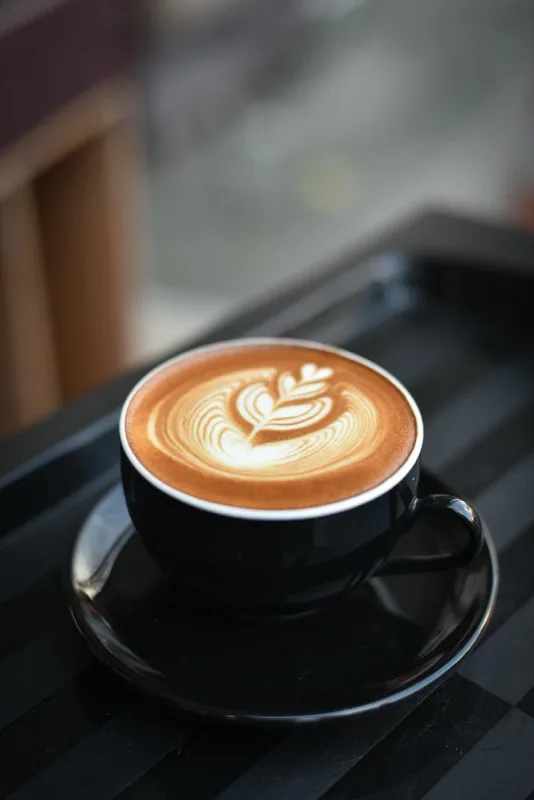
The king. The default. When you say “un caffè, per favore,” you’ll get a single shot of espresso – rich, intense, with a layer of golden crema on top. It arrives in a small ceramic cup, usually with a saucer and a tiny spoon. Most Italians add sugar (don’t let anyone tell you “real” Italians drink it black – many don’t).
Cappuccino
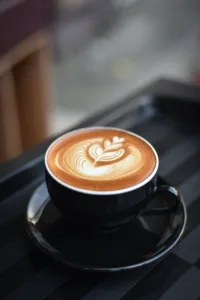
The beloved cappuccino – equal parts espresso, steamed milk, and milk foam – is Italy’s most famous breakfast drink. It’s rich, creamy, and meant to be enjoyed with a pastry in the morning. The cardinal rule? Italians drink cappuccino only in the morning. More on that later.
Caffè Macchiato
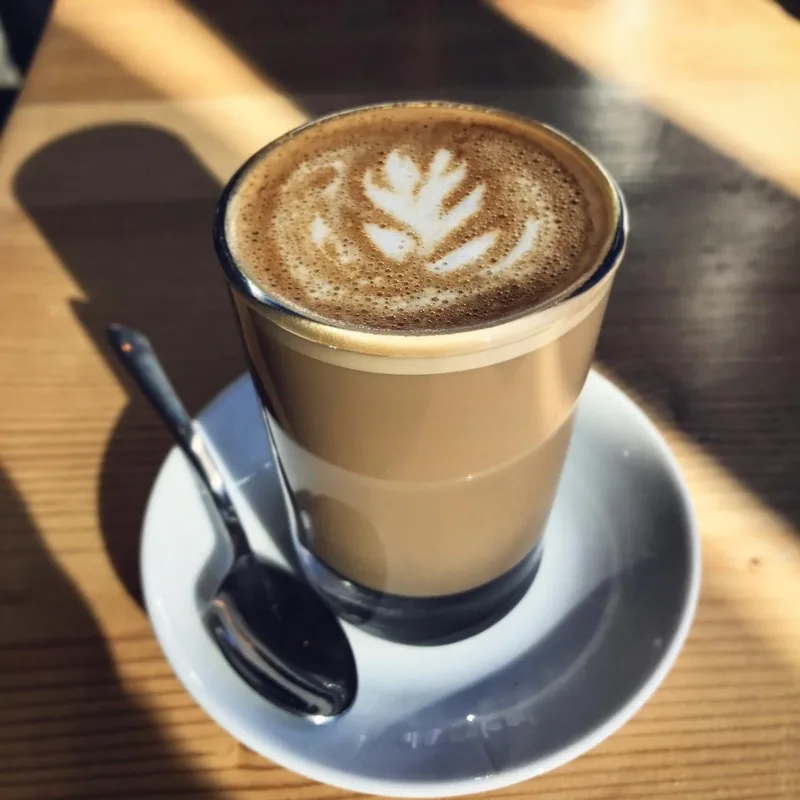
Literally “stained coffee.” A caffè macchiato is an espresso with just a dollop of steamed milk foam on top. It’s the perfect middle ground if you want something softer than a straight espresso but don’t want a full milky drink. You can order it caldo (hot) or freddo (cold).
Caffè Americano
An espresso diluted with hot water, the caffè americano gives you something closer to American-style drip coffee. It’s milder and larger than an espresso. Legend has it that American soldiers in WWII Italy diluted espresso to match what they were used to back home – hence the name.
Latte Macchiato & Caffè Latte
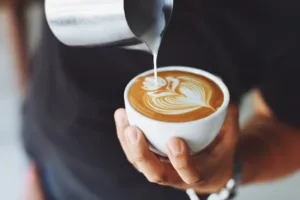
A caffè latte is steamed milk with a shot of espresso – essentially what Starbucks calls a “latte.” A latte macchiato is similar but with the espresso poured into the milk, creating visible layers. Critical warning: Never order just a “latte” in Italy. Latte means milk. You’ll get a glass of plain warm milk and a confused look.
Caffè Corretto
“Corrected coffee” – an espresso with a splash of liquor, usually grappa, sambuca, or Baileys. Caffè corretto is surprisingly common, even in the morning (no judgment in Italy). It’s especially popular in northern Italy and after meals.
Caffè Lungo
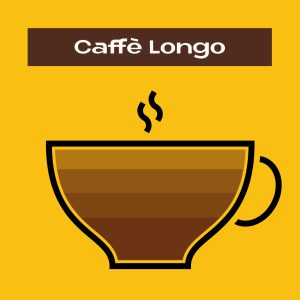
A caffè lungo is a “long coffee” – an espresso pulled with more water through the grounds, resulting in a slightly larger, milder drink. It’s not the same as an americano, which adds water after extraction. The lungo extracts more from the beans during brewing.
Ristretto
The opposite of lungo. A ristretto uses less water than a standard espresso, creating an even more concentrated, intense shot. It’s smaller, bolder, and favored by those who like their coffee with maximum punch.
Doppio
Simply a double espresso. Two shots in one cup. Not as commonly ordered by Italians (who prefer multiple single espressos throughout the day), but perfectly acceptable if you need a bigger hit.
Affogato
Technically a dessert, the affogato is a scoop of vanilla gelato “drowned” in a shot of hot espresso. It’s heaven in a cup and the perfect way to end a meal on a hot day – or any day, really.
Shakerato
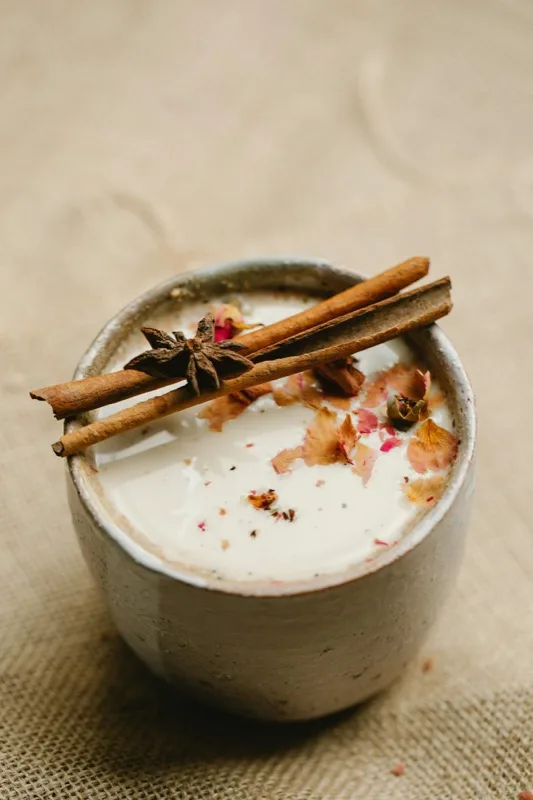
Italy’s answer to iced coffee – and infinitely more elegant. A shakerato is espresso shaken vigorously with ice and sometimes a touch of sugar in a cocktail shaker until frothy, then strained into a chilled glass. It’s refreshing, foamy, and absolutely delicious in summer.
Marocchino
A layered treat from the Piedmont region: espresso, cocoa powder, and frothed milk, served in a small glass. Think of it as a mini mocha with an Italian accent. It’s not available everywhere but worth seeking out.
The Unwritten Rules of Italian Coffee
Italian coffee culture comes with a set of unspoken rules that locals follow instinctively. Break them and you won’t get arrested – but you’ll definitely mark yourself as a tourist. Here are the big ones:
1. Cappuccino Is a Morning Drink
This is the most famous rule: don’t order a cappuccino after 11 a.m. (or really, after breakfast). Italians believe that milk-heavy drinks interfere with digestion after a meal. Ordering a cappuccino after lunch or dinner will earn you a raised eyebrow at best. After a meal, stick to a caffè (espresso) or caffè corretto.
2. Stand at the Bar
As mentioned, drinking at the bar counter is the standard. It’s faster, cheaper, and more social. Sitting at a table – especially one with a view of a piazza – is a luxury you pay for. If you’re on a budget and want the authentic experience, al banco is the way.
3. Coffee Is Quick
An espresso isn’t meant to be sipped over 30 minutes. Most Italians finish theirs in two or three sips. You don’t have to rush, but don’t camp out at the bar counter nursing your caffè either.
4. Don’t Ask for Crazy Customizations
There’s no “extra hot, half-caf, oat milk, light foam” in Italy. The menu is the menu. You can ask for it più caldo (hotter) or in vetro (in a glass) – small tweaks are fine. But don’t try to reinvent the drink.
5. Tipping Is Minimal
Leaving a small coin (10-20 cents) on the bar counter with your receipt is a nice gesture, especially if you’re a regular. But tipping isn’t expected for coffee in Italy the way it is in North America.
6. Coffee After a Meal = Espresso
After lunch or dinner at a restaurant, coffee always means espresso. It comes after dessert, not with it. And never order a cappuccino at this point – see rule #1.
Essential Italian Phrases for Ordering Coffee
You don’t need to be fluent in Italian to order coffee. A handful of phrases will cover every situation. Here are the essentials, with pronunciation guides:
- “Un caffè, per favore.” (oon kah-FEH, pair fah-VOH-reh) – One espresso, please.
- “Un cappuccino, per favore.” (oon kah-poo-CHEE-noh, pair fah-VOH-reh) – One cappuccino, please.
- “Vorrei un caffè macchiato.” (vor-RAY oon kah-FEH mah-kee-AH-toh) – I’d like a macchiato.
- “Un caffè americano.” (oon kah-FEH ah-meh-ree-KAH-noh) – One americano.
- “Un caffè corretto con grappa.” (oon kah-FEH kor-RET-toh kon GRAH-pah) – An espresso with grappa.
- “Posso avere un bicchiere d’acqua?” (POHS-soh ah-VEH-reh oon beek-KYEH-reh DAH-kwah) – Can I have a glass of water? (Often served alongside your coffee.)
- “Quanto costa?” (KWAHN-toh KOH-stah) – How much does it cost?
- “Il conto, per favore.” (eel KON-toh, pair fah-VOH-reh) – The bill, please.
- “Al banco.” (ahl BAHN-koh) – At the bar counter. (Use this if asked where you’re sitting.)
- “Senza zucchero.” (SEN-tsah TSOO-keh-roh) – Without sugar.
- “Con zucchero.” (kon TSOO-keh-roh) – With sugar.
Bonus tip: A simple “buongiorno” (good morning) or “buonasera” (good evening) when you walk in goes a long way. Italians appreciate basic courtesy, and greeting the barista before ordering is expected.
How Much Does Coffee Cost in Italy?
Here’s the wonderful surprise: coffee in Italy is incredibly affordable. Prices are kept low partly by tradition and partly by social expectation – coffee is considered a basic necessity, not a luxury product.
Here’s what you can expect to pay (at the bar counter):
- Espresso (caffè): €1.00-€1.50
- Cappuccino: €1.30-€1.80
- Caffè macchiato: €1.10-€1.50
- Caffè americano: €1.50-€2.00
- Caffè corretto: €1.50-€2.50
- Shakerato: €2.50-€3.50
Sitting at a table can add anywhere from €1 to €6 or more to these prices, especially in famous piazzas. In Venice’s Piazza San Marco, a cappuccino at a table with live music can cost €10-€15 – but you’re paying for the experience (and the orchestra).
In smaller towns and non-touristy neighborhoods, prices stay closer to the lower end. Southern Italy, particularly Naples, is known for having some of the cheapest (and best) espresso in the country – sometimes just €0.80-€1.00.
Regional Coffee Differences
Italy isn’t a monolith when it comes to coffee. Each region – sometimes each city – has its own traditions and specialties. Here are the most notable:
Naples: The Espresso Capital
Neapolitans take their espresso very seriously. A Neapolitan espresso is typically stronger, more intense, and served slightly hotter than in northern Italy. The coffee is often a darker roast, and the crema is thick and dark. Naples is also home to the caffè sospeso (“suspended coffee”) – a beautiful tradition where you pay for two coffees but drink only one, leaving the extra for someone who can’t afford it.
Lecce: Caffè Leccese
In Lecce and the Salento region of Puglia, the summer drink of choice is the caffè leccese: espresso poured over ice with latte di mandorla (almond milk). It’s sweet, refreshing, and utterly addictive. If you’re visiting southern Puglia in summer, this is a must-try.
Piedmont: The Bicerin
Turin’s signature drink is the bicerin – a layered masterpiece of espresso, drinking chocolate, and whole milk or cream, served in a small glass. It dates back to the 18th century and is decadent in the best possible way. The historic Caffè Al Bicerin in Turin has been serving it since 1763.
Sicily: Granita e Brioche
In Sicily, especially in the eastern part of the island, breakfast often means granita di caffè con panna – coffee-flavored granita (a semi-frozen dessert) topped with whipped cream, served alongside a brioche bun. On a hot Sicilian morning, there’s nothing better.
Trieste: A Coffee Language of Its Own
Trieste, Italy’s historical coffee capital and major port for coffee imports, has its own unique terminology. An espresso isn’t a caffè here – it’s a nero. A macchiato is a capo. A cappuccino is a caffelatte. It can be confusing, but it reflects Trieste’s deep and distinct coffee heritage, influenced by its Austro-Hungarian past.
Common Mistakes Tourists Make
Avoid these pitfalls and you’ll blend right in:
- Ordering a “latte.” You’ll get a glass of milk. Say caffè latte instead.
- Ordering cappuccino after lunch or dinner. It’s a breakfast drink. Stick to espresso after meals.
- Sitting down without checking the price. Table service often costs significantly more. Always check the posted prices (usually displayed near the register) if budget matters.
- Asking for to-go cups. Takeaway coffee isn’t really a thing in traditional Italian bars. Some modern shops in bigger cities offer it now, but it goes against the culture of stopping, drinking, and moving on.
- Expecting large sizes. There’s no “grande” in an Italian bar. Coffee comes in one size – the right size. If you want more, order another one later.
- Forgetting to say hello. Always greet the barista with buongiorno or buonasera before ordering. Launching straight into your order without a greeting is considered rude.
- Over-tipping. Leaving a large tip at a coffee bar can actually create awkwardness. A coin on the counter is plenty.
- Spending too long at the counter. Enjoy your coffee, but be aware that during busy morning hours, counter space is valuable. Drink up and make room for the next person.
Frequently Asked Questions
Can I get iced coffee in Italy?
Yes! Order a caffè freddo (a chilled, pre-sweetened espresso) or a shakerato (espresso shaken with ice). Traditional Italian bars don’t do the American-style iced coffee with a big cup of ice, but you’ll find these Italian versions just as refreshing – if not more so.
Is it rude to order a cappuccino in the afternoon?
It’s not exactly rude – nobody will refuse to make it for you. But it’s considered unusual and will immediately mark you as a tourist. If you genuinely want milk in your coffee after 11 a.m., a caffè macchiato is a more locally accepted option.
Do Italians drink decaf coffee?
Yes, decaf (caffè decaffeinato or just deca) is widely available. Many Italians order it in the evening to avoid a sleepless night. Just say “un deca, per favore” and you’re set.
What’s the best time to visit an Italian bar?
Morning is the most atmospheric time – typically between 7:00 and 10:00 a.m., when locals stop in for their breakfast ritual of a cappuccino and cornetto. After lunch (around 1:30-2:30 p.m.) is another busy coffee moment. Late afternoon brings the pre-aperitivo espresso crowd.
Should I tip at an Italian coffee bar?
Tipping is not expected but appreciated. If you’re standing at the bar, leaving a 10- or 20-cent coin on the counter with your receipt is a nice touch – especially if you plan to become a regular.
What coffee do Italians drink at home?
The moka pot (invented by Bialetti in 1933) is the most iconic home coffee maker in Italy. You’ll find one in virtually every Italian household. It makes a strong, stovetop-brewed coffee that’s different from espresso but equally beloved. Italians typically use medium to dark roast ground coffee specifically designed for moka pots.