I still remember my first coffee order in Spain. I walked into a bar in Sagunto – where I now live – and confidently asked for “un café.” The barista stared at me. “¿Solo? ¿Con leche? ¿Cortado?” I froze. Back then, I had no idea that ordering coffee in Spain is practically an art form.
Years later, I can tell you: learning how to order coffee in Spain will genuinely transform your experience in this country. It’s not just about caffeine – it’s about plugging into a daily ritual that connects every person in Spain, from the construction worker grabbing a quick café solo at 7 AM to the grandmother lingering over her café con leche at noon.
This guide covers everything: every coffee type, the exact phrases you need, what it’ll cost you, regional specialties you won’t find in guidebooks, and the mistakes I watch tourists make every single day from my local bar in Valencia.
Spanish Coffee Culture: What Makes It Special
Coffee in Spain isn’t what you’re used to. Forget the giant takeaway cups, the flavored syrups, and the rush-through-the-drive-through mentality. Spanish coffee culture is built on three pillars: simplicity, quality, and connection.
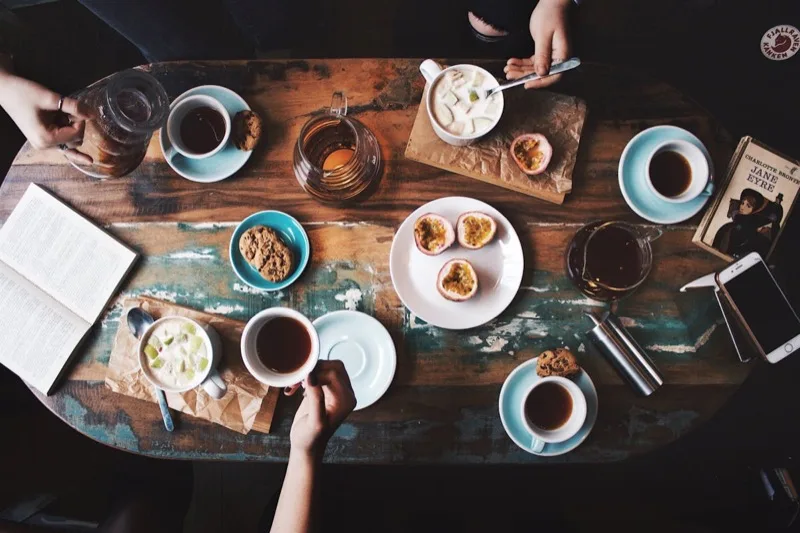
Walk into any bar in Spain (and yes, bars serve coffee – they’re not just for alcohol) and you’ll notice something immediately: people are present. They’re standing at the bar chatting with the barista. They’re sitting with friends, talking animatedly over tiny cups. Nobody is hunched over a laptop with noise-canceling headphones.
The coffee itself is different too. Servings are small – typically 30-50 ml of espresso as the base. There’s no “venti” here. Spanish coffee is strong, dark, and served in proper ceramic cups. Most bars use professional espresso machines, and even the most unassuming roadside bar will pull you a decent shot.
What really makes Spanish coffee culture special is its democratic nature. Coffee isn’t a luxury here – it’s a right. You’ll pay €1.20-€1.80 for a café con leche in most of Spain. The CEO and the plumber drink at the same bar. There’s no “premium coffee experience” – there’s just coffee, done properly, every single time.
How to Order Coffee in Spain Step by Step
Here’s exactly what to do when you walk into a Spanish bar or cafetería:
Step 1: Walk up to the bar. In most traditional Spanish bars, you order at the bar counter. Don’t wait to be seated unless it’s clearly a sit-down restaurant. If you want to sit at a terrace (terraza), you can usually sit first and wait for a waiter – but know that terrace prices are often slightly higher.
Step 2: Get the barista’s attention. A simple “¡Hola!” or “Buenos días” works perfectly. Don’t snap your fingers or wave aggressively. Make eye contact, and they’ll come to you.
Step 3: State your coffee order. Be specific. Say “Un café solo, por favor” or “Un cortado, por favor.” Spanish baristas need to know exactly what you want – “just a coffee” doesn’t cut it here.
Step 4: Specify hot or iced (if applicable). In summer, you might want your coffee cold. Say “con hielo” (with ice) – they’ll bring your espresso in a cup alongside a glass filled with ice. You pour it over yourself.
Step 5: Pay when you’re ready to leave. In most bars, you don’t pay immediately. Enjoy your coffee, and when you’re ready to go, catch the barista’s eye and say “La cuenta, por favor.” At some busier places or terraces, you’ll get a ticket with your order.
Step 6: Tipping. Tipping is not expected for coffee in Spain. Locals might leave small change – 10 or 20 cents – but it’s completely optional. Nobody will chase you down or give you a dirty look.
Every Type of Spanish Coffee You Need to Know
This is where it gets fun. Spain has a coffee vocabulary that can overwhelm newcomers. Here’s every type you’ll encounter, explained plainly.
Café Solo
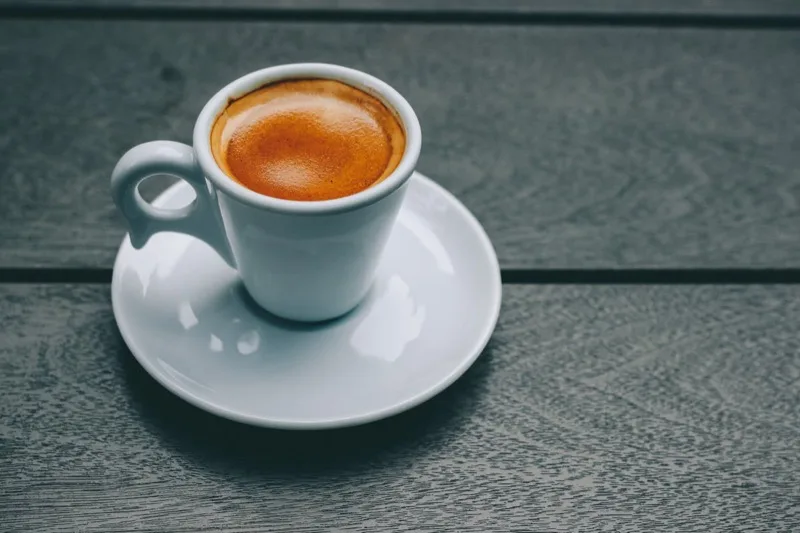
The foundation of everything. A café solo is a single shot of espresso – strong, black, and served in a small cup. This is what Spaniards default to when they want coffee, fast. It’s intense, no-nonsense, and usually gone in two or three sips.
Cortado
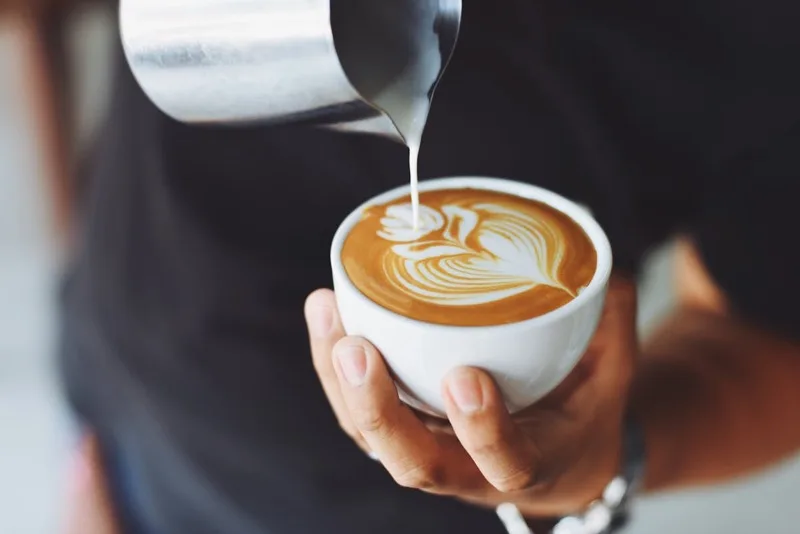
My personal daily order. A cortado is an espresso “cut” with a small splash of warm milk – roughly equal parts coffee and milk, though ratios vary by region. It softens the intensity without drowning the flavor. If you only learn one Spanish coffee, make it this one.
Café con Leche
The most popular coffee in Spain, hands down. Café con leche is espresso with a generous amount of hot milk – usually served in a larger cup. This is the breakfast staple, the mid-morning pick-me-up, the comfort drink. Most Spaniards start their day with one of these alongside a tostada.
Americano
An americano in Spain is espresso diluted with hot water, giving you a longer, milder drink. It’s less common among locals but widely available. If you’re used to drip coffee or filter coffee, this is your closest equivalent.
Descafeinado
Decaf is surprisingly popular in Spain, especially after lunch. When you order a descafeinado, you’ll often be asked: “¿De máquina o de sobre?” This means: do you want it from the espresso machine (de máquina) or from a sachet of instant decaf (de sobre)? Always go for “de máquina” – it tastes infinitely better.
Café Doble / Solo Doble
Need more punch? A café doble or solo doble is a double espresso. Same intensity, twice the volume. Common among those who need serious fuel or just really love espresso.
Café Largo
A café largo is a “long” espresso – more water is pulled through the coffee grounds, resulting in a slightly larger, slightly less concentrated drink than a solo. Not to be confused with an americano, which adds water after extraction.
Café Bombón
This is where Spain gets decadent. A café bombón is espresso served with sweetened condensed milk instead of regular milk. It’s rich, sweet, and absolutely delicious – especially popular in the Levante region (Valencia, Alicante, Murcia). Often served in a clear glass so you can admire the gorgeous layers.
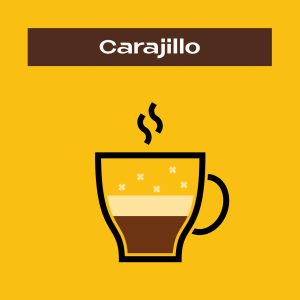
Carajillo
Coffee with alcohol – specifically, espresso with a shot of brandy, Licor 43, or anís. The carajillo is a post-meal tradition, especially among the older generation. You’ll see retired men ordering these after lunch, and honestly, once you try a carajillo with Licor 43, you’ll understand why.
Café del Tiempo
This is my absolute favorite in summer and a Valencian specialty. Café del tiempo (“coffee of the time/season”) is espresso served with ice and a slice of lemon. Yes, lemon. The citrus cuts through the bitterness beautifully. You get the hot espresso in one cup, a glass of ice with the lemon slice alongside, and you pour it over yourself. Pure Mediterranean refreshment.
Leche Manchada
Literally “stained milk” – it’s a cup of hot milk with just a tiny splash of coffee. This is the mildest coffee drink you can order, perfect for those who want the ritual without the caffeine punch. You’ll often see older Spaniards and children ordering this.
Sombra
Popular in southern Spain, especially Málaga. A sombra (“shadow”) is mostly milk with just a shadow of coffee – similar to a leche manchada but with regional identity. Málaga actually has an entire spectrum of coffee-to-milk ratios with specific names, from “solo” (all coffee) to “no me olvides” (just a memory of coffee).
The Spanish Coffee Ritual
Coffee in Spain isn’t just a drink – it’s a series of daily rituals that structure the entire day. Understanding these rituals is key to understanding Spanish life.
The Morning Coffee (Desayuno)
Most Spaniards start the day with a café con leche between 7:30 and 9:30 AM, almost always accompanied by food – a tostada con tomate y aceite (toast with crushed tomato and olive oil) is the classic. Many people have this at a bar near their workplace rather than at home. It’s quick, social, and sets the tone for the day.
The Mid-Morning Break (Almuerzo)
Around 10:30-11:30 AM, there’s often a second coffee break, sometimes with a small bocadillo (sandwich). In Valencia, the almuerzo is practically sacred – entire construction crews will stop for a proper sit-down almuerzo with coffee to finish.
Sobremesa
This is my favorite Spanish tradition. Sobremesa is the time spent lingering at the table after a meal – talking, laughing, and inevitably ordering coffee. After lunch (which happens around 2-3 PM in Spain), nobody rushes to leave. The coffee arrives, the conversation deepens, and time slows down. Sobremesa can last anywhere from 30 minutes to two hours. It’s where relationships are built, deals are made, and gossip flows freely.
Merienda
Between 5-7 PM, it’s merienda time – an afternoon snack, often accompanied by (you guessed it) coffee. This might be a café con leche with a pastry or a cortado with some galletas (cookies). It bridges the enormous gap between the late Spanish lunch and the even later Spanish dinner.
Essential Spanish Phrases for Ordering Coffee
You don’t need to be fluent in Spanish to order coffee. These phrases will cover 99% of situations:
- “Un café solo, por favor” (oon kah-FEH SO-lo, por fah-VOR) – One black espresso, please
- “Un cortado, por favor” (oon kor-TAH-do, por fah-VOR) – One cortado, please
- “Un café con leche, por favor” (oon kah-FEH kon LEH-cheh, por fah-VOR) – One coffee with milk, please
- “Con hielo” (kon YEH-lo) – With ice
- “Descafeinado de máquina” (des-kah-fay-NAH-do deh MAH-kee-nah) – Decaf from the machine
- “¿Me pone un café?” (meh PO-neh oon kah-FEH) – Can I get a coffee? (casual, very local)
- “La cuenta, por favor” (lah KWEN-tah, por fah-VOR) – The bill, please
- “¿Tienen leche de avena?” (TYEH-nen LEH-cheh deh ah-VEH-nah) – Do you have oat milk?
- “Muy caliente, por favor” (mooy kah-LYEN-teh) – Very hot, please (useful – Spanish coffee can arrive lukewarm)
- “Para llevar” (PAH-rah yeh-VAR) – To go
Pro tip: “¿Me pone…?” is the most natural way locals order. It literally means “Will you put me…?” and sounds much more fluent than “Quiero un…” (I want a…).
How Much Does Coffee Cost in Spain?
One of the best things about coffee in Spain is the price. Coming from the UK, the US, or northern Europe, you’ll think there’s been a mistake on the bill.
Here’s what you can expect to pay in 2025:
- Café solo: €1.00-€1.50
- Cortado: €1.20-€1.60
- Café con leche: €1.30-€1.80
- Café bombón: €1.50-€2.00
- Carajillo: €2.50-€3.50
Prices vary by region and location:
- Cheapest: Small towns in Andalucía, Extremadura, and Castilla-La Mancha – you can still find café con leche for under €1.30.
- Mid-range: Valencia, Murcia, and most medium-sized cities – expect €1.30-€1.60 for a café con leche.
- Most expensive: Barcelona and Madrid city centers, tourist areas, and the Basque Country – can reach €2.00-€2.50 for a café con leche. Terrace surcharges in touristy plazas can push it even higher.
- Tourist traps: Las Ramblas in Barcelona or Plaza Mayor in Madrid? You might pay €3.00-€4.50. Walk two blocks in any direction and it drops by half.
Here in Sagunto, I pay €1.40 for my morning cortado. A friend in central Barcelona pays €2.10 for the same thing. Same coffee, different real estate.
Regional Coffee Specialties
Spain isn’t monolithic – each region has its own coffee quirks and specialties. Here are the ones worth seeking out:
Valencian Community: Café del Tiempo
I’ve already raved about this, but it deserves its own spotlight. Café del tiempo is quintessentially Valencian. You’ll find it on menus throughout the Comunitat Valenciana from roughly April through October. The combination of hot espresso, ice, and lemon is unexpectedly brilliant. Some places add a cinnamon stick or orange peel instead of lemon. Every bar does it slightly differently.
Canary Islands: Barraquito
The barraquito is a layered masterpiece from Tenerife and the Canary Islands. It combines espresso, condensed milk, frothed milk, Licor 43, a bit of lemon peel, and cinnamon. Served in a clear glass, the layers are stunning. It’s sweet, boozy, and absolutely worth the trip. Try asking for one on the mainland and you’ll mostly get blank stares – this is a Canarian treasure.
Asturias: Café del Pote
Up in rainy, green Asturias, they make café del pote – coffee brewed in a traditional pot (pote) with sugar and sometimes a splash of orujo (grape spirit). It’s rustic, warming, and perfect after a heavy Asturian fabada. You’ll find it in traditional sidrerías and rural restaurants.
Catalonia: Tallat
In Catalonia, you’ll hear “tallat” instead of “cortado” – it’s the Catalan word for “cut.” Functionally identical, but ordering a “tallat” in Barcelona shows you know the local lingo. Pair it with a “croissant de mantega” and you’re practically Catalan.
Málaga: The Coffee Spectrum
Málaga deserves special mention for having the most elaborate coffee-naming system in Spain. Instead of just “cortado” or “con leche,” Malagueños use a full spectrum: solo, largo, semi-largo, solo corto, mitad, entre corto, corto, sombra, and nube – each representing a specific coffee-to-milk ratio. Some bars even have a chart on the wall. It’s wonderfully obsessive.
Torrefacto: Spain’s Unique Coffee Roasting Method
If you’ve ever thought Spanish coffee tasted different from what you’re used to – darker, more bitter, with a slightly burnt edge – you’ve probably encountered torrefacto.
Torrefacto is a roasting method unique to Spain (and a few other countries like Portugal and Argentina). During roasting, sugar is added to the beans. The sugar caramelizes and creates a dark, shiny coating on the beans. The result is a coffee that’s more bitter, with a heavier body and a distinctive almost-burnt flavor.
Historically, torrefacto emerged during and after the Spanish Civil War as a way to preserve coffee beans longer and stretch limited supplies. The sugar coating acts as a sealant. It stuck around because Spaniards got used to the taste over generations.
Today, most commercial Spanish coffee is a mezcla (blend) – combining torrefacto beans with naturally roasted beans, typically in a 50/50 or 70/30 ratio. If you see “mezcla” on a bag of Spanish coffee, that’s what it means.
The specialty coffee movement is slowly changing this. In Barcelona, Madrid, Valencia, and other cities, you’ll now find third-wave cafés serving single-origin, naturally roasted beans. But in your average neighborhood bar? It’s still mezcla, and honestly, it’s part of the character. That strong, slightly bitter café solo you get at the zinc bar of a century-old bar in the old town? Torrefacto is part of its soul.
Common Mistakes Tourists Make Ordering Coffee in Spain
After years of living here, I’ve seen every coffee mistake in the book. Avoid these and you’ll fit right in:
1. Ordering a “latte.” In Spain, “latte” just means milk. If you ask for “un latte,” you might literally get a glass of milk. What you want is a “café con leche.” Same drink, right name.
2. Expecting large sizes. There is no grande, venti, or supersize. Spanish coffee comes in one size: normal. If you want more caffeine, order a café doble. If you want more volume, a café con leche is your biggest standard option.
3. Asking for takeaway cups. Spain is slowly adopting takeaway coffee culture, especially in bigger cities, but many traditional bars simply don’t have paper cups. Coffee here is meant to be drunk on the spot. If you need it to go, try “para llevar” – but don’t be surprised if they don’t have the option.
4. Ordering coffee with a big meal. In Spain, coffee comes after the meal, never during. If you order a café con leche with your paella, you’ll get puzzled looks. Wait for sobremesa.
5. Tipping 15-20%. Overtipping on a €1.40 coffee is unnecessary and can feel awkward. Leaving the small change is the norm. A 10-20 cent coin on the bar is plenty.
6. Not specifying your coffee type. “Un café” is too vague. Always specify: solo, cortado, con leche, etc. The barista will ask you anyway, so save both of you the extra step.
7. Ordering cappuccino everywhere. While most bars in tourist areas can make a cappuccino, it’s not a traditional Spanish drink. If you order one at a small-town bar, they might just give you a café con leche with extra foam. Honestly? The café con leche is better anyway.
8. Rushing. This might be the biggest mistake of all. Coffee in Spain is not something you inhale on your commute. Slow down, look around, talk to someone. That’s the whole point.
Frequently Asked Questions
What is the most popular coffee in Spain?
Café con leche is the most popular coffee in Spain by a wide margin. It’s the default morning drink for most Spaniards and is available in every single bar and café in the country. A close second is the café solo, especially as a quick pick-me-up or after-meal drink.
Can you get oat milk or plant-based milk in Spanish cafés?
In major cities like Madrid, Barcelona, and Valencia, most modern cafés now offer oat, soy, and almond milk. However, traditional neighborhood bars may not stock alternative milks. Your best bet is to ask: “¿Tienen leche de avena?” (Do you have oat milk?). Specialty coffee shops almost always have options.
Do Spaniards drink coffee in the afternoon?
Absolutely. Spaniards drink coffee throughout the day – at breakfast, mid-morning, after lunch during sobremesa, and during merienda (afternoon snack time, around 5-7 PM). The only time most Spaniards avoid coffee is late evening, though some will order a descafeinado after dinner.
Is it rude to order coffee to go in Spain?
It’s not rude, but it’s uncommon in traditional settings. Many neighborhood bars don’t have takeaway cups. In larger cities and chain cafés, takeaway is increasingly normal. Say “para llevar” if you want your coffee to go.
Why is Spanish coffee so strong?
Spanish coffee tastes strong because it’s espresso-based, served in small quantities, and often made with torrefacto-roasted beans that have an intense, bold flavor. The coffee-to-milk ratio is also higher than what many international visitors are used to, especially compared to American-style drip coffee.
What time do cafés open in Spain?
Most bars and cafés in Spain open early – between 7:00 and 8:00 AM – to serve the morning coffee crowd. In smaller towns, some might open as early as 6:30 AM for workers. They typically stay open until late evening. Unlike some countries, there’s no “closing in the afternoon” for most city bars – coffee is available all day.