

Coffee Culture in Spain – A Brief History
Coffee came to Spain through the Bourbon dynasty in the 18th century, later than most of its European neighbors. But once it arrived, it became deeply woven into the fabric of Spanish social life. By the 19th century, cafes had become gathering places for tertulias – informal intellectual and literary discussions that shaped Spanish politics and culture.
The Spanish Civil War and the decades of economic hardship that followed left a lasting mark on coffee culture. During this period, the torrefacto roasting method became widespread – a technique where sugar is added to the beans during roasting, creating a dark, glossy, slightly bitter result that stretched limited coffee supplies further. Torrefacto remains a defining feature of Spanish coffee to this day, though it is gradually declining.
Today, Spain is one of the largest coffee consumers in Europe, drinking about 4.5 kg per person per year. Coffee is inseparable from the rhythms of Spanish daily life – from the morning cafe con leche to the post-lunch cortado to the afternoon merienda. Spain does not just drink coffee; it builds its day around it.
How Coffee Is Prepared in Spain
The most distinctive thing about Spanish coffee is the torrefacto roast. In this process, sugar is added to the beans during the final stages of roasting, where it caramelizes and coats the beans in a dark, shiny shell. The result is a coffee that is more bitter, less aromatic, and – critics would say – hides the natural flavors of the bean.
Many traditional Spanish coffee brands sell a “mezcla” blend – a mix of natural (normally roasted) and torrefacto beans. A common ratio is 50/50 or 70/30 natural to torrefacto. This gives Spanish coffee its characteristic bold, slightly burnt flavor that is quite different from Italian or French coffee.
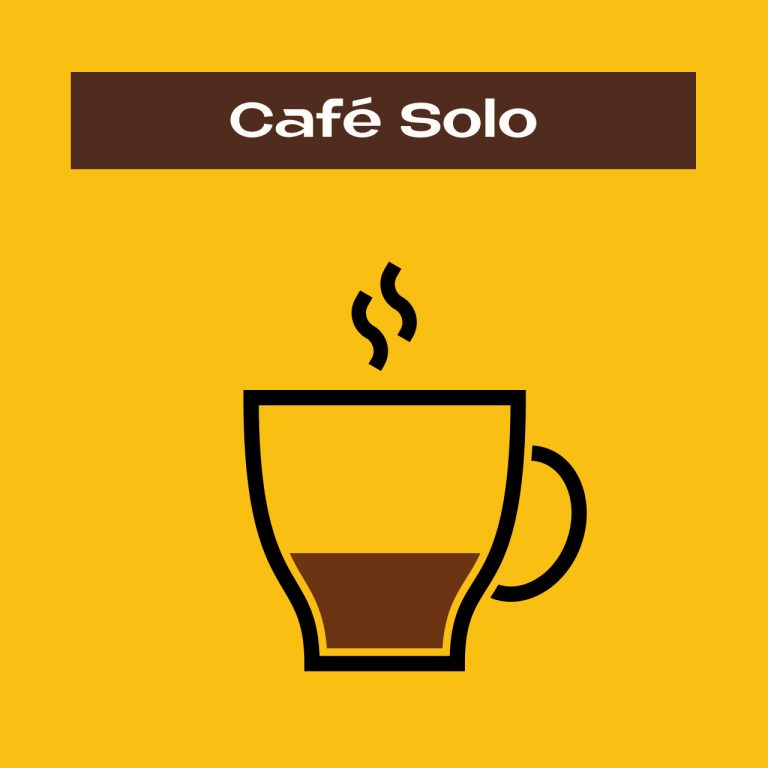
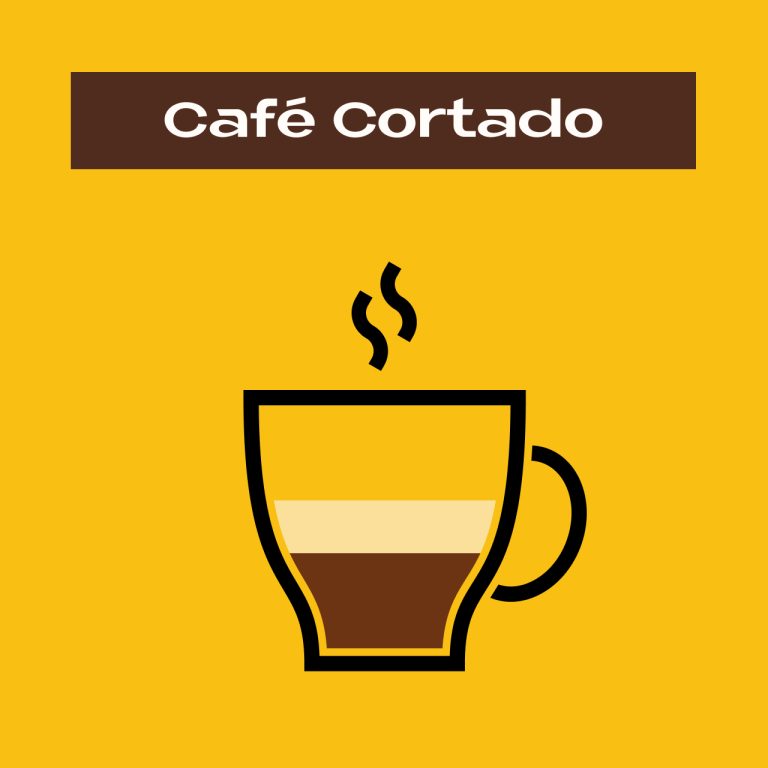
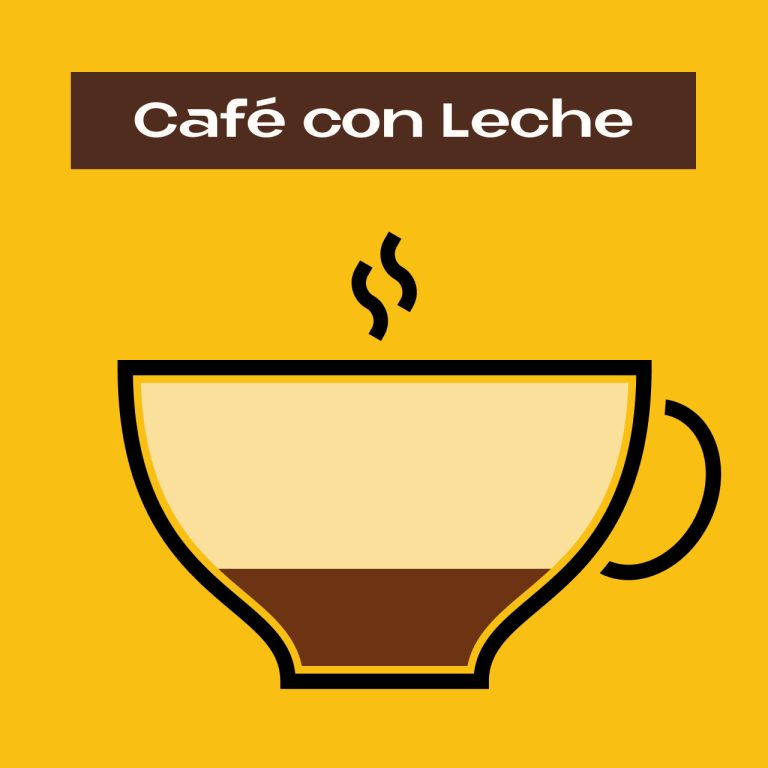
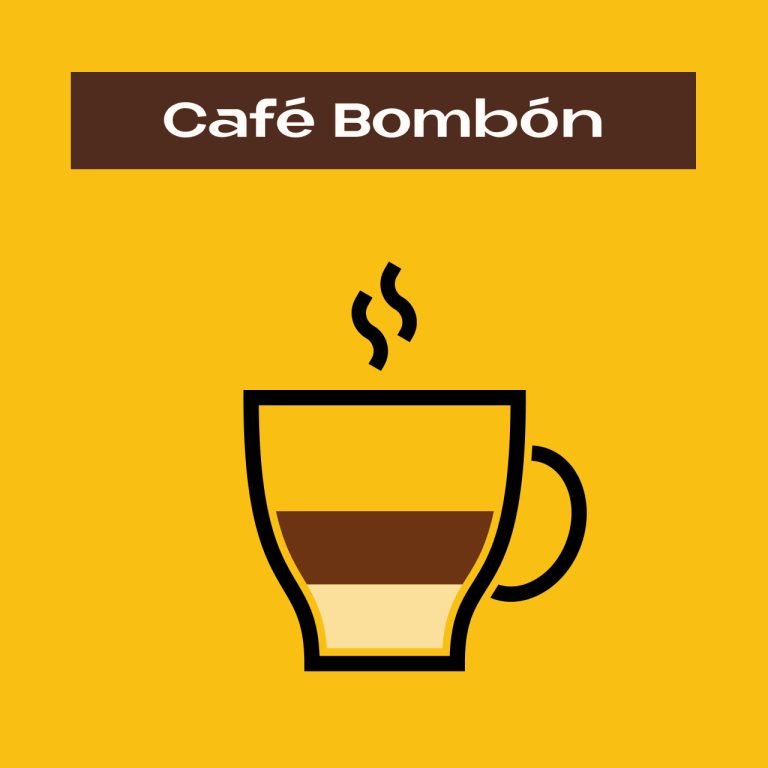
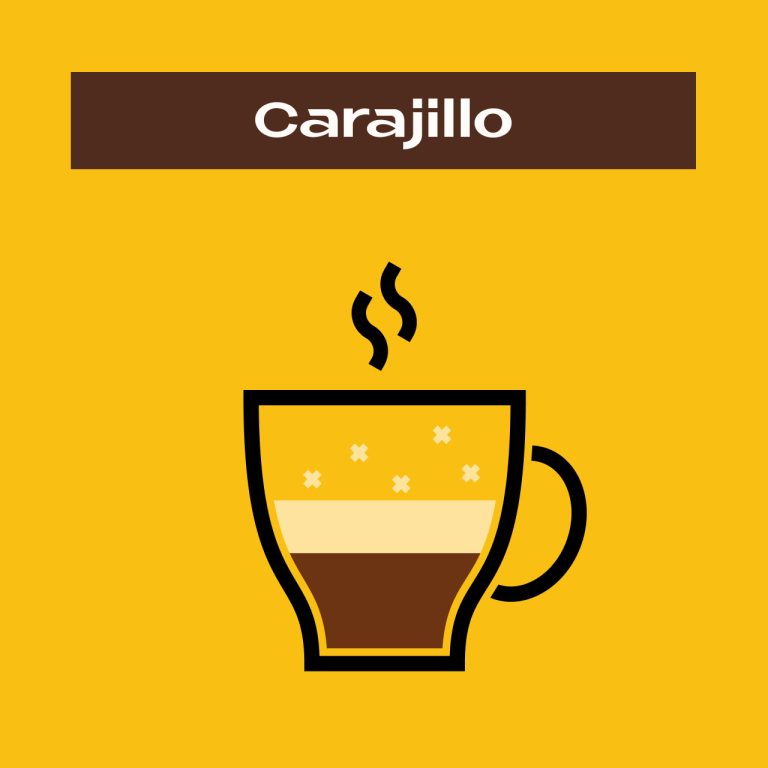
In cafes and bars, espresso machines are universal. The standard coffee is a cafe solo – a single shot of espresso. From there, the variations revolve around how much milk you add: a cortado (espresso with a small splash of milk), cafe con leche (equal parts coffee and hot milk), or a cafe bombon (espresso with sweetened condensed milk). For something stronger, there is the carajillo – espresso spiked with brandy or rum.
At home, Italians have the Moka pot, but Spaniards have largely moved to capsule machines and drip coffee makers. The traditional Spanish stovetop method is less iconic than its Italian counterpart.
How to Order Coffee in Spain
Ordering coffee in Spain is casual and flexible. Walk into any bar or cafeteria, approach the counter or sit at a table, and order. There is no pay-first system like in Italy – you typically pay when you leave, or when the waiter comes by.
The most common order is “un cafe con leche, por favor” – especially at breakfast, when it is usually paired with toast (tostada) with tomato or olive oil. After meals, Spaniards switch to a cafe solo or cortado.
One thing to know: coffee sizes in Spain are small by American or British standards. A cafe con leche comes in a small cup or glass – there is no “grande” option at a traditional bar. You get what you get, and it is exactly the right amount.
For the full vocabulary and tips, read our How to Order Coffee in Spain guide.
The Unwritten Rules of Spanish Coffee Culture
Coffee is social: In Spain, coffee is rarely a solo activity. It is the excuse to sit with friends, family, or colleagues and talk. The sobremesa – the long, relaxed conversation that follows a meal – is a sacred Spanish tradition, and it almost always involves coffee.
Breakfast means cafe con leche: The morning cafe con leche is as essential to Spanish breakfast as the tostada it comes with. Ordering a cortado or cafe solo first thing in the morning is unusual – those are for later in the day.
Merienda is real: Between lunch (around 2 PM) and dinner (around 9 or 10 PM), Spaniards have a merienda – an afternoon snack, usually around 5 or 6 PM. Coffee is a core part of this. A cortado or cafe con leche with a pastry or a small sandwich bridges the gap between meals.
No rush: Spanish bars and cafeterias do not rush you. You can sit for hours with a single coffee, reading the newspaper or chatting. The bill comes when you ask for it – “la cuenta, por favor.”
Tipping is minimal: Leaving a few coins – 20 or 30 cents – after a coffee is common but not expected. Tipping large amounts for coffee service is not part of Spanish culture.
How Much Does Coffee Cost in Spain?
Spain offers some of the best coffee value in Western Europe – not as cheap as Portugal, but significantly less expensive than France or the UK.
At a neighborhood bar: A cafe solo costs 1.00 to 1.30 EUR. A cafe con leche is 1.20 to 1.60 EUR. A cortado falls in between.
In tourist areas: Expect 1.80 to 2.50 EUR for a cafe con leche in popular tourist zones in Madrid, Barcelona, or Seville.
Specialty coffee shops: Spain’s growing specialty scene charges 3.00 to 4.50 EUR for pour-overs, flat whites, and single-origin espresso. Barcelona and Madrid have the most options.
Terrace premium: Unlike France, the counter-vs-terrace price difference is less dramatic in Spain. Some places charge a small supplement for terrace seating, but many do not.
Best Cities for Coffee in Spain
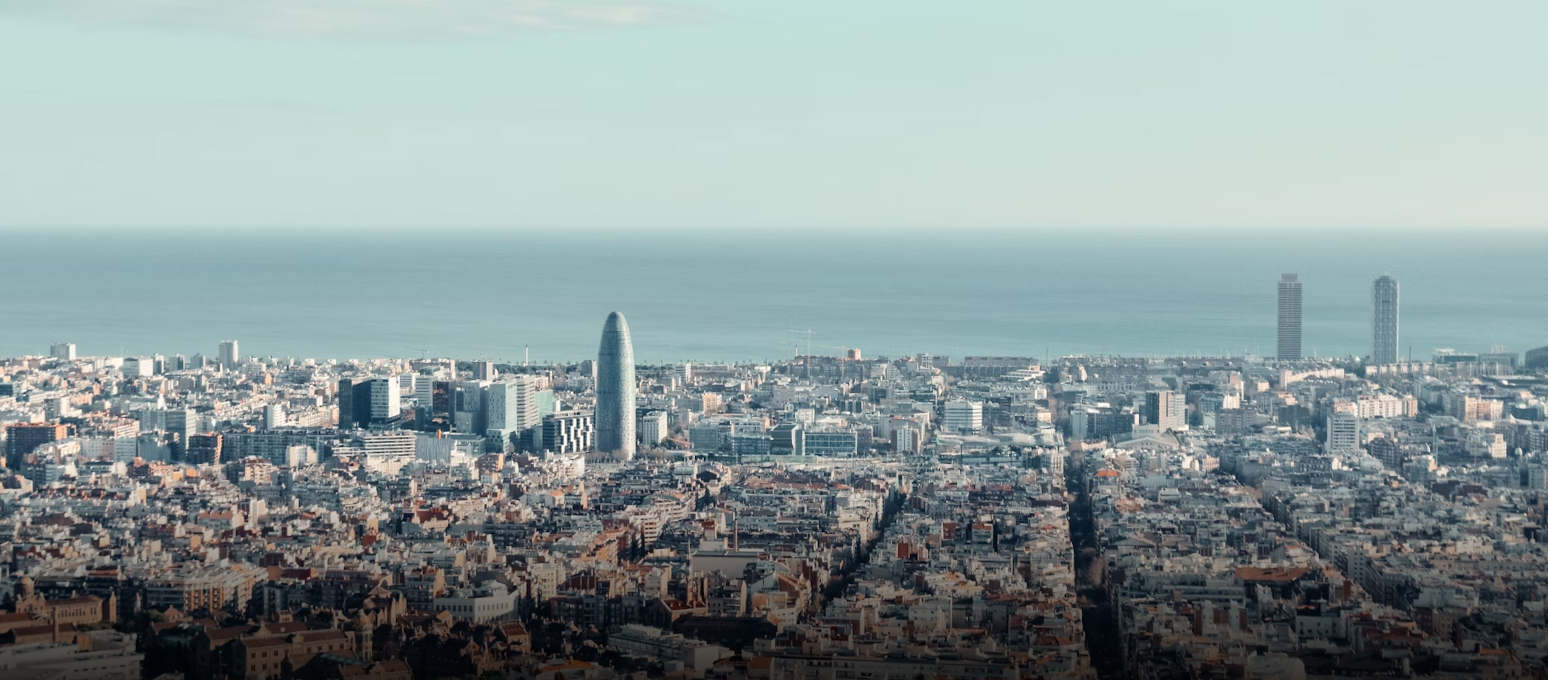
Barcelona: The epicenter of Spain’s specialty coffee movement. Shops like Satan’s Coffee Corner, Nomad Coffee, and Three Marks Coffee have put Barcelona on the global coffee map. The city blends traditional Spanish bar culture with a forward-thinking specialty scene.
Madrid: The capital’s coffee culture is deeply traditional, but specialty shops are popping up fast. Hola Coffee, Toma Cafe, and Hanso Cafe are standouts. Madrid is also where you will experience the most authentic sobremesa culture.
Valencia: Home to the unique cafe del tiempo – espresso served with a glass of ice and a slice of lemon, meant to be poured over the ice and stirred. It is a perfect warm-weather drink and a distinctly Valencian creation.
Seville: Traditional Andalusian coffee culture at its finest. The pace is slower, the cafes are older, and the cafe con leche is served in small, thick glasses. Seville is where you go to experience the Spain of the sobremesa.
The Canary Islands: The Canaries have their own unique coffee drink – the barraquito, a layered drink made with espresso, condensed milk, frothed milk, Licor 43, lemon peel, and cinnamon. It is found almost exclusively in Tenerife and the surrounding islands and is absolutely worth trying.
Regional Differences in Spanish Coffee
Spain’s size and regional diversity mean coffee culture varies significantly from one area to another.
Catalonia (Barcelona): The most internationally influenced coffee scene in Spain. Less torrefacto, more specialty roasters, and a growing preference for lighter roasts and single-origin beans. The tallat (Catalan for cortado) is the local name for the espresso-with-milk.
Andalusia (Seville, Malaga, Granada): Traditional and proud of it. Torrefacto is still common. In Malaga, coffee ordering follows a unique system based on the ratio of coffee to milk, with names like “sombra” (mostly milk), “nube” (cloud – almost all milk), and “solo corto” (strong, small espresso). It is a whole vocabulary unto itself.
Valencia: The cafe del tiempo (iced coffee with lemon) is a regional icon. Horchaterias – serving horchata, a cold drink made from tiger nuts – also serve coffee, creating a unique blend of traditions.
The Canary Islands: The barraquito reigns supreme. The islands also grow their own coffee in the Agaete Valley of Gran Canaria – making them the only place in Europe where coffee is commercially cultivated.
The Basque Country and Galicia: Slightly different bar cultures with their own rhythms. Cafe con leche is universal, but the pintxo bars of San Sebastian and the tapas culture of the north add their own twist to the coffee ritual.
Frequently Asked Questions About Spanish Coffee
What is the most popular coffee in Spain?
Cafe con leche is the most popular coffee drink in Spain, especially at breakfast. It is equal parts espresso and hot milk, served in a medium-sized cup. After meals, the cafe solo and cortado are more common.
What is torrefacto coffee?
Torrefacto is a roasting method unique to Spain (and a few Latin American countries) where sugar is added to the beans during roasting. It creates a dark, shiny bean with a more bitter, less aromatic flavor. Many Spanish brands sell “mezcla” blends that combine torrefacto and naturally roasted beans.
What is a cortado?
A cortado is an espresso “cut” with a small amount of warm milk – roughly equal parts espresso and milk. It is one of Spain’s most iconic coffee drinks and has been adopted worldwide, particularly in specialty coffee shops.
What is cafe del tiempo?
Cafe del tiempo is a Valencian specialty – an espresso served alongside a glass of ice and a slice of lemon. You pour the hot coffee over the ice and stir. It is a refreshing warm-weather drink and a uniquely Spanish creation.
When do Spaniards drink coffee?
Coffee punctuates the entire Spanish day. Cafe con leche at breakfast (around 8-10 AM), cafe solo or cortado after lunch (around 3-4 PM), coffee with merienda (around 5-6 PM), and sometimes a cafe solo after dinner (around 10-11 PM). Spaniards do not worry about caffeine keeping them awake.