Among the most beloved coffee beverages in Spain is “café con leche,” which translates to “coffee with milk.” This drink is made with equal parts of espresso and steamed milk, creating a smooth and creamy experience.
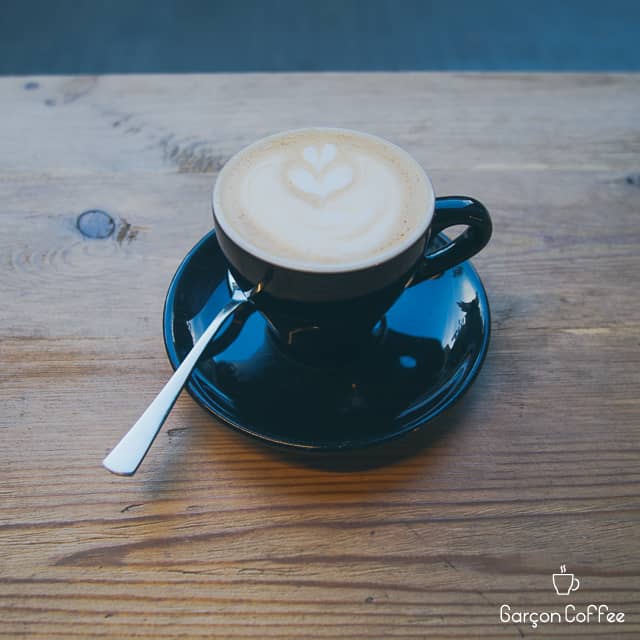
Café con leche is a cornerstone of Spanish coffee culture, often enjoyed during breakfast. In the mornings, you might be asked if you prefer your milk hot or at room temperature. If you’re in a hurry, opt for “con la leche templada” (room temperature milk) to enjoy your drink immediately. If you have time to relax, “con la leche caliente” (hot milk) is a comforting choice.
To order it, you would say, “Me puede poner un café con leche, por favor.”
Ingredients
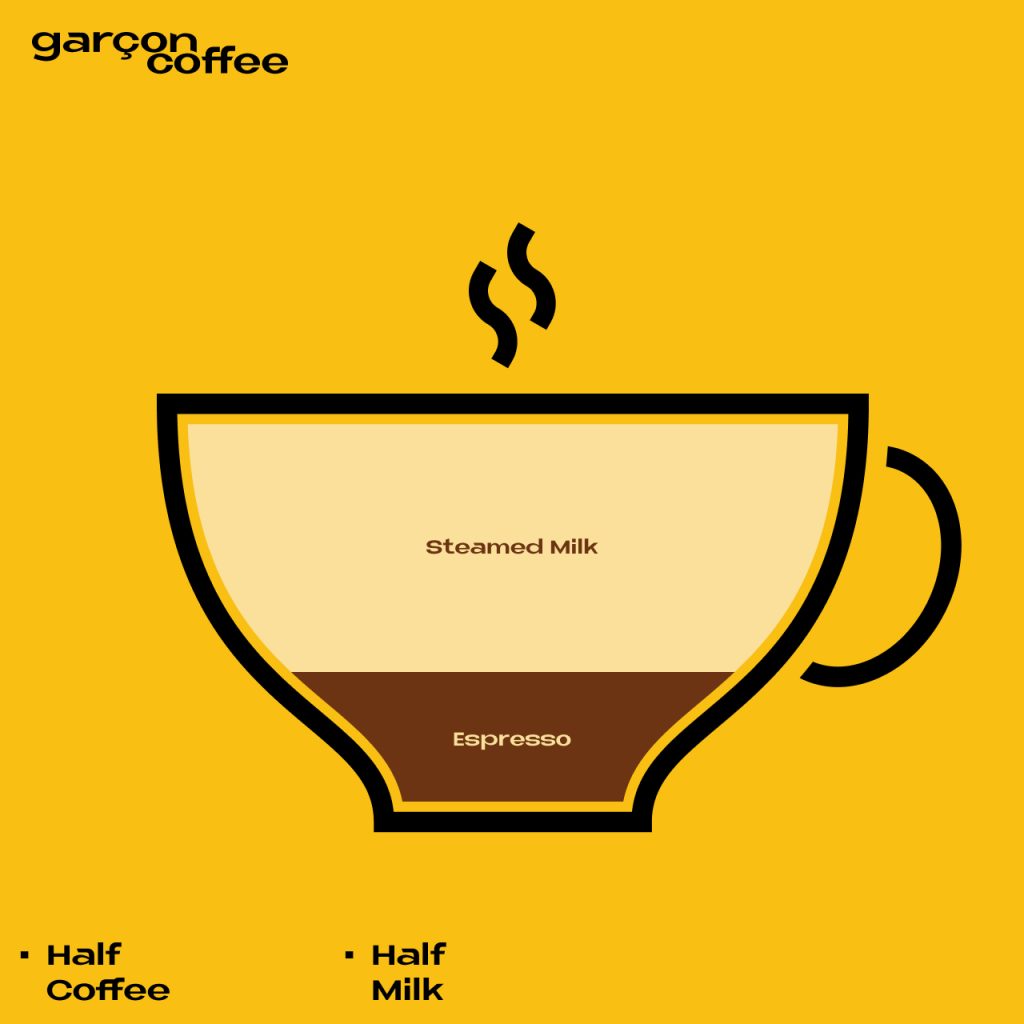
1 Espresso Shot + 1 Fl. Oz. Steamed Milk
How to order a Café con Leche in Spain?
"Me puede poner un café con leche, por favor."
History and Origin
Cafe con leche is arguably the most important coffee drink in Spanish culture. Its history goes hand in hand with the rise of coffee houses in Spain during the 18th and 19th centuries. As coffee became available across Europe, the Spanish developed their own traditions around it, and mixing strong espresso with hot milk quickly became the national favorite. The phrase “cafe con leche” simply means “coffee with milk,” and its simplicity is part of its charm. By the early 20th century, every bar, cafe, and restaurant in Spain served cafe con leche as a default breakfast drink. It also traveled to Latin America, where it became a staple in countries like Cuba, Colombia, and Argentina, each adding their own twist. The drink starts with a strong cafe solo as the base.
How It’s Made
A cafe con leche is made by combining a shot of espresso with an equal portion of hot steamed milk. In Spanish bars, the barista pulls a standard espresso into a medium-sized cup, then fills it with steamed milk. The milk is heated and sometimes lightly frothed, though not to the extreme level of a cappuccino. The result is a smooth, creamy drink that balances the boldness of the espresso with the mellow sweetness of milk. An important detail: in Spain, the barista might ask if you want the milk “caliente” (hot), “templada” (warm, room temperature), or “fria” (cold). Most locals go with caliente in the morning.
How to Order a Cafe con Leche
At any bar in Spain, say: “Me puede poner un cafe con leche, por favor” (meh PWEH-deh poh-NAIR oon kah-FEH kohn LEH-cheh, poor fah-VOR). If you want it in a glass rather than a cup, ask for “en vaso.” For a larger size, some bars offer “un cafe con leche grande.” If you prefer less milk, order a cortado instead. And if you want it iced, ask for “con hielo” and you will get a glass of ice on the side to pour it over.
When and Where Locals Drink It
Cafe con leche is the undisputed king of Spanish breakfast. Walk into any bar between 7 AM and 11 AM and you will see most people drinking one. It is typically paired with a tostada (toast with tomato pulp and olive oil) or a croissant. While it is primarily a morning drink, plenty of Spaniards also enjoy one in the afternoon, especially around 5 PM during merienda (afternoon snack time). It is served in every single bar, cafe, and restaurant in Spain. Whether you are in a tiny village in Andalusia or a trendy neighborhood in Madrid, cafe con leche will be on the menu. It is simply the default.
Variations
The standard cafe con leche is espresso with hot milk, but there are several popular variations. A “cafe con leche con hielo” comes with a glass of ice for pouring the hot coffee over – the most popular summer version. For a sweeter take, try a cafe bombon, which swaps regular milk for sweetened condensed milk. A “cafe con leche manchada” has more milk than coffee. In the Canary Islands, “leche y leche” combines hot milk and condensed milk with espresso. Some people add a shot of brandy to their morning cafe con leche, creating an informal carajillo with milk. Decaf versions (“descafeinado con leche”) are also widely available.
Cafe con Leche vs Latte
Cafe con leche and a latte share the same basic formula – espresso plus milk – but they are not the same drink. A Spanish cafe con leche uses equal parts espresso and milk (roughly 1:1 ratio), while a latte is much milkier (about 1:3 espresso to milk). A latte also features a distinct layer of microfoam on top, while a cafe con leche has steamed milk without that foamy finish. The Spanish version tastes stronger and more coffee-forward. Also, a cafe con leche is always served in a medium cup, while lattes come in various sizes, sometimes very large. If you order a “latte” in Spain, you will just get a glass of milk – “latte” means milk in Italian.
How to Make a Cafe con Leche at Home
Brew a strong shot of espresso using an espresso machine or Moka pot. Heat an equal amount of whole milk until steaming – you can use a milk frother, microwave, or stovetop. Pour the espresso into a medium mug, then add the hot milk. Stir if you like. For an authentic Spanish experience, use a dark-roasted Spanish coffee brand like Marcilla or Bonka. Serve it alongside toast with tomato and olive oil for the full desayuno (breakfast) experience. In summer, let the coffee cool slightly, pour it into a glass filled with ice cubes, and enjoy it cold. Add sugar to taste – many Spaniards use one or two packets.
FAQ
What does cafe con leche mean?
Cafe con leche means “coffee with milk” in Spanish. It is the most straightforward name for one of the most beloved coffee drinks in Spain.
Is cafe con leche the same as a latte?
Not exactly. A cafe con leche has a higher ratio of coffee to milk (roughly 1:1) compared to a latte (roughly 1:3). It also lacks the microfoam layer found on a latte.
What time of day do Spaniards drink cafe con leche?
It is primarily a breakfast drink, ordered between 7 AM and 11 AM. However, many people also enjoy one during merienda (afternoon snack time) around 5 PM.
Can I order cafe con leche with plant milk?
Yes, most modern Spanish cafes offer soy, oat, and almond milk options. Ask for “cafe con leche de avena” (oat milk) or “de soja” (soy milk).