

Dive into Portugal’s coffee culture with popular drinks like bica and galão.
Learn how to order coffee like a local and embrace Portuguese café traditions.
Coffee Culture in Portugal – A Complete Guide
Coffee Culture in Portugal – A Brief History
Portugal’s relationship with coffee is older and deeper than most people realize. As one of the great maritime powers of the Age of Discovery, Portugal was among the first European nations to encounter coffee – through its trading posts in East Africa and the Middle East in the 1500s. By the 1700s, Portugal was actively cultivating coffee in its colonies, particularly Brazil, which would go on to become the world’s largest coffee producer.
That colonial connection shaped Portuguese coffee culture in a unique way. Brazil’s influence meant cheap, abundant coffee, and Portugal developed a taste for strong, affordable espresso that persists today. The pastelaria – a combination cafe and pastry shop – became the center of Portuguese social life in the 19th and 20th centuries, a role it still plays.
Today, Portugal consumes about 4.7 kg of coffee per person per year, and the country has one of the highest densities of cafes per capita in Europe. Coffee here is not a luxury or a treat – it is a basic, affordable part of everyday life, available on every street corner at prices that make the rest of Western Europe look expensive.
How Coffee Is Prepared in Portugal
Portuguese coffee stands out for one major reason: the heavy use of robusta beans. While most of Europe favors 100% arabica or arabica-dominant blends, Portuguese roasters commonly use blends with 30% to 50% robusta – sometimes even more. This gives Portuguese coffee a stronger, more bitter, and more full-bodied character with higher caffeine content.
The dominant brand in Portugal is Delta Cafes, which controls a huge share of the market. You will see the Delta logo on espresso machines in cafes across the country. Other popular brands include Nicola, Sical, and Buondi. Portuguese roasters tend to use a dark roast that produces an intense, thick espresso with a dense crema.
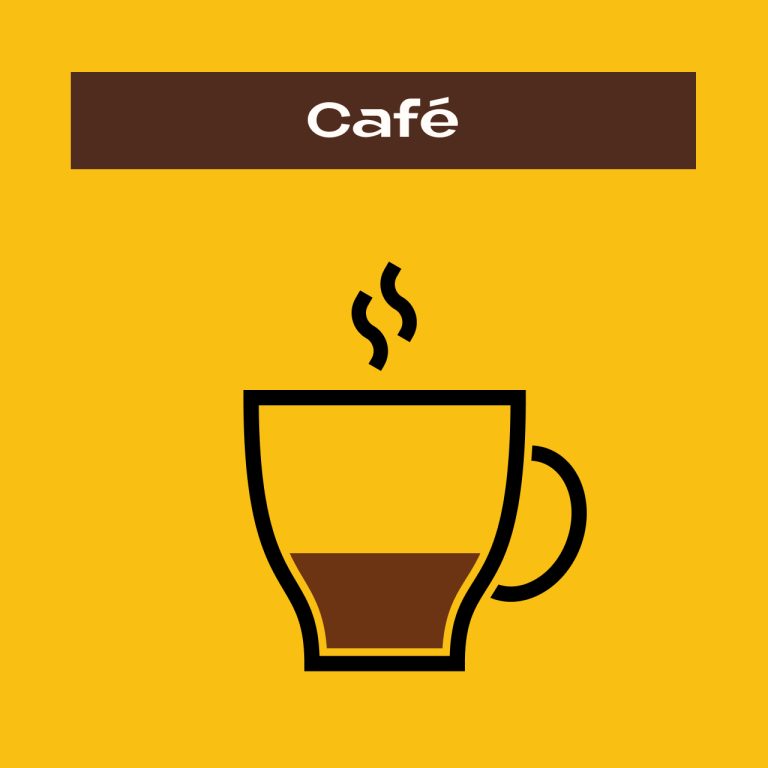
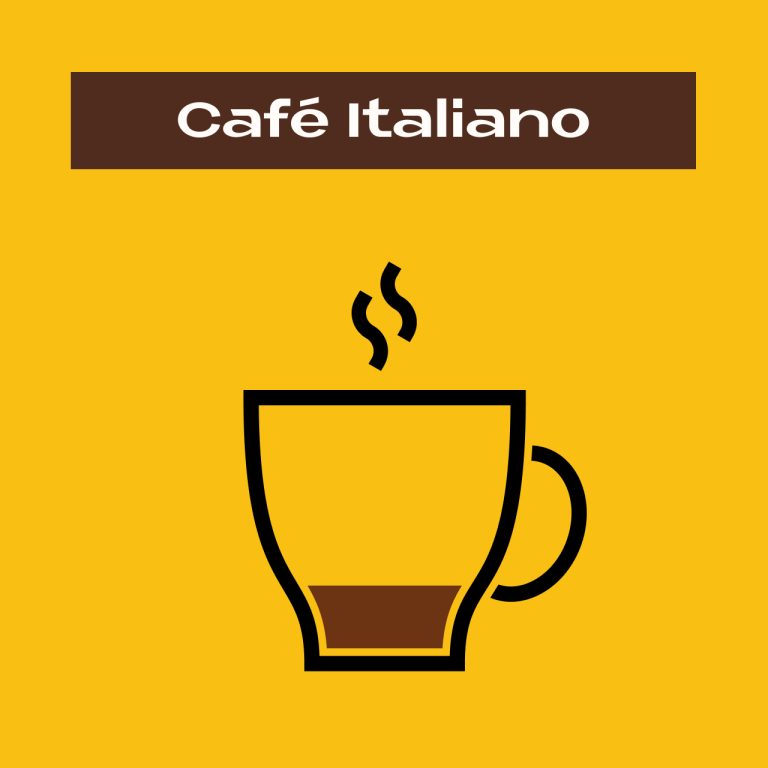
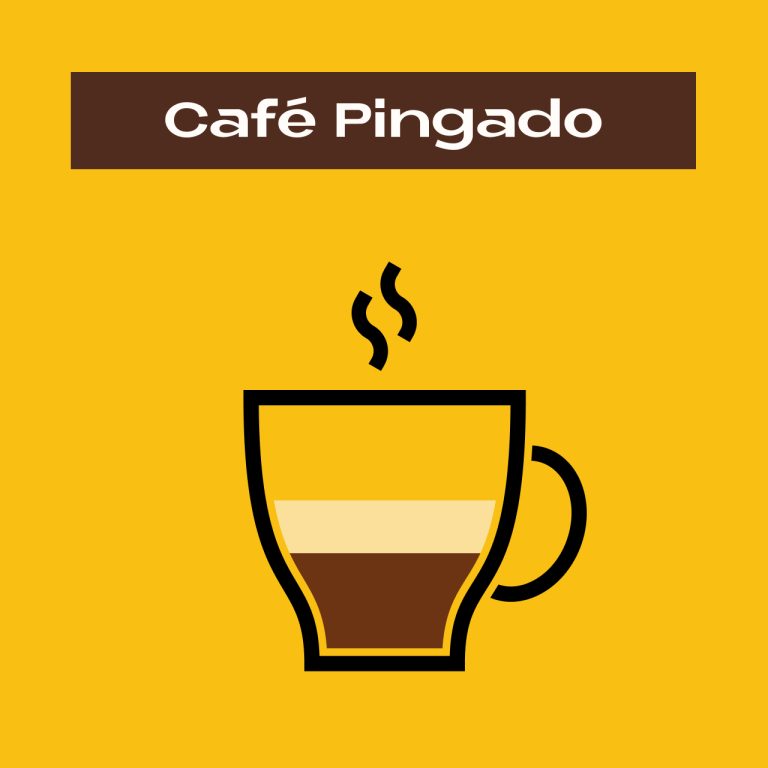
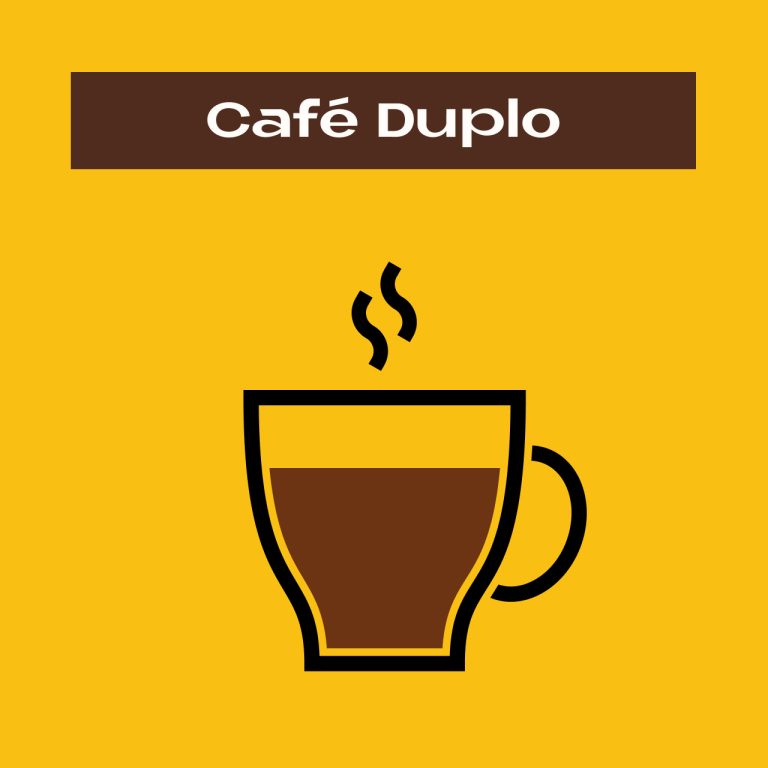
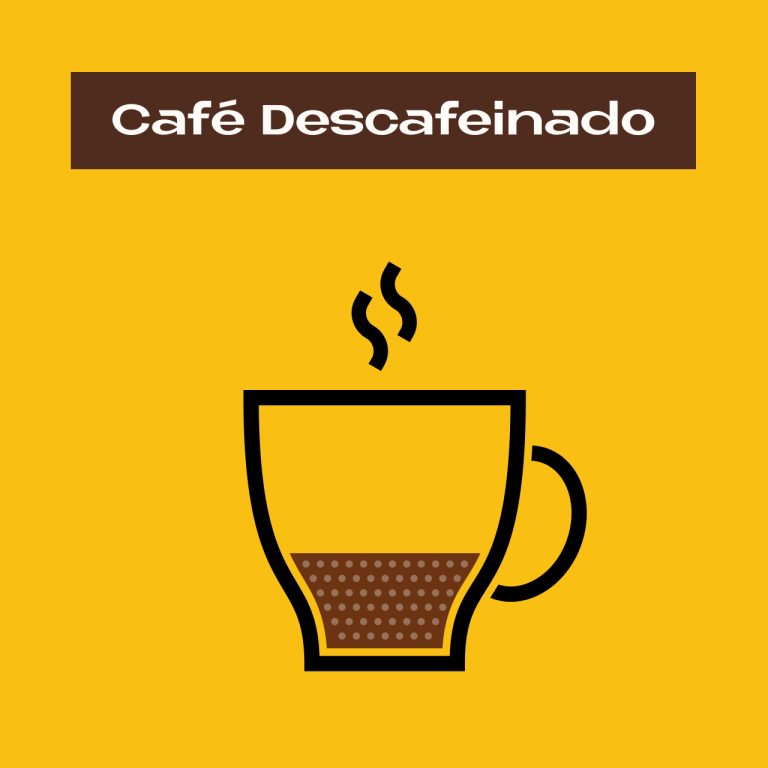
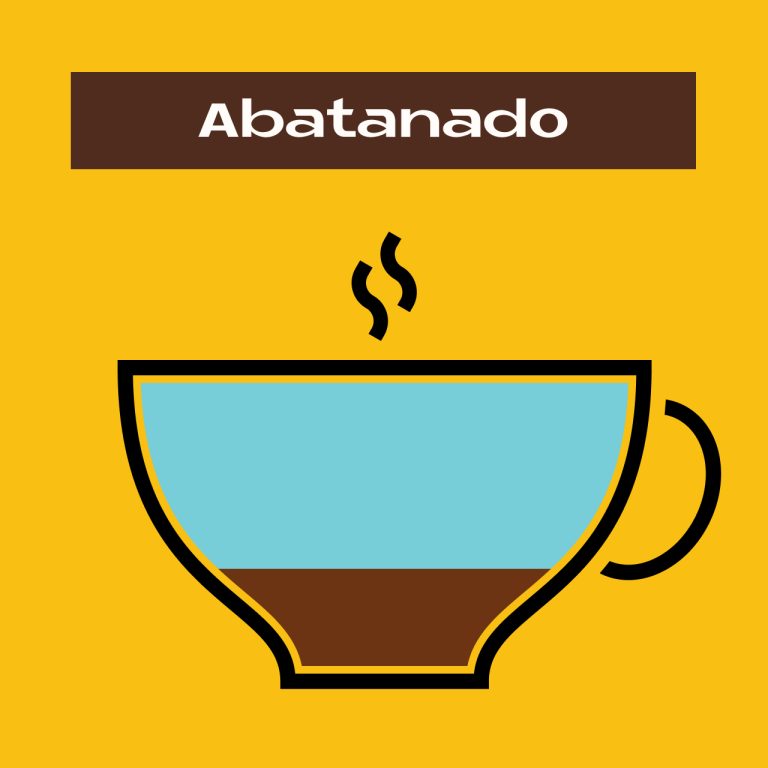
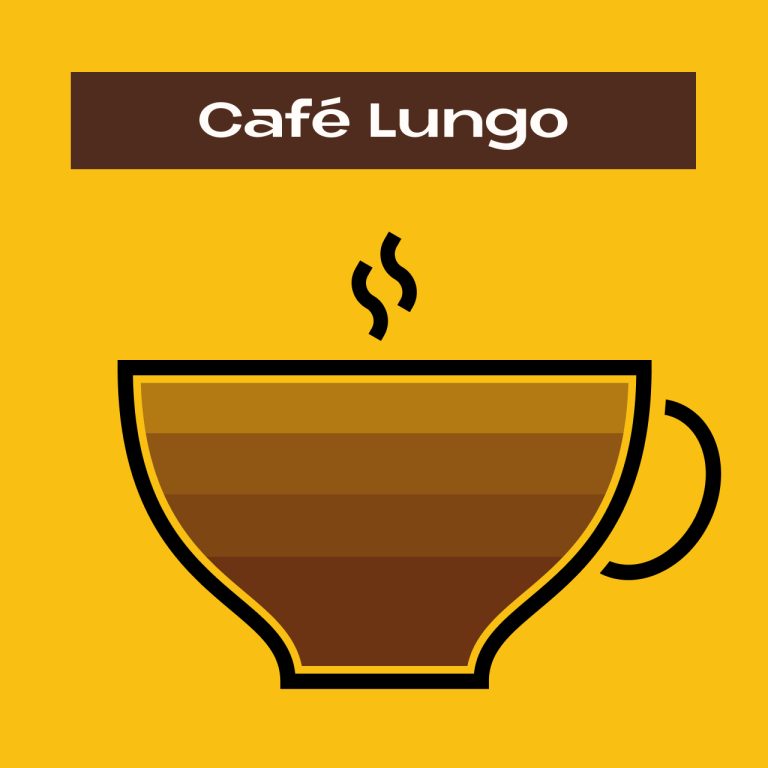
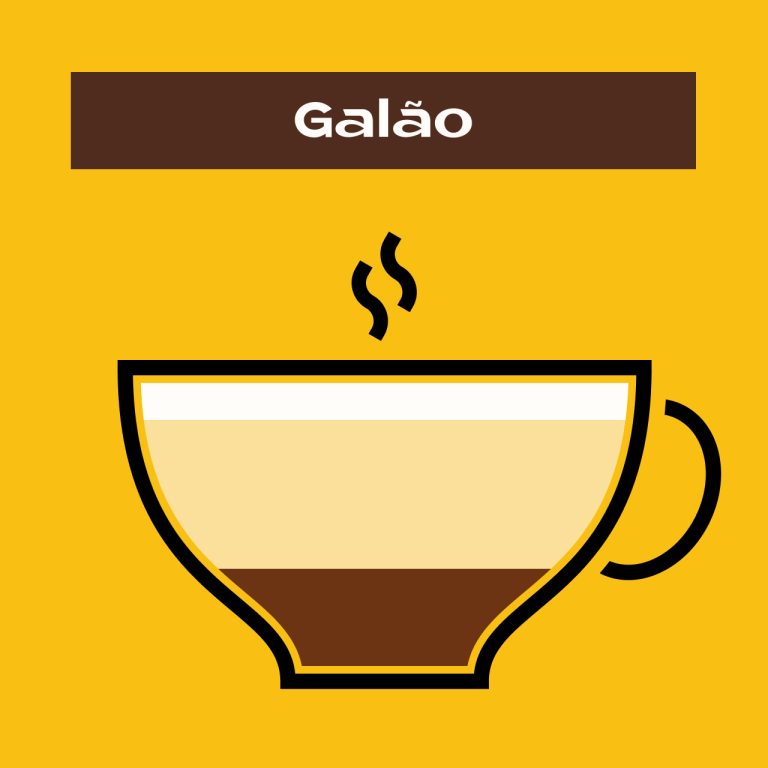
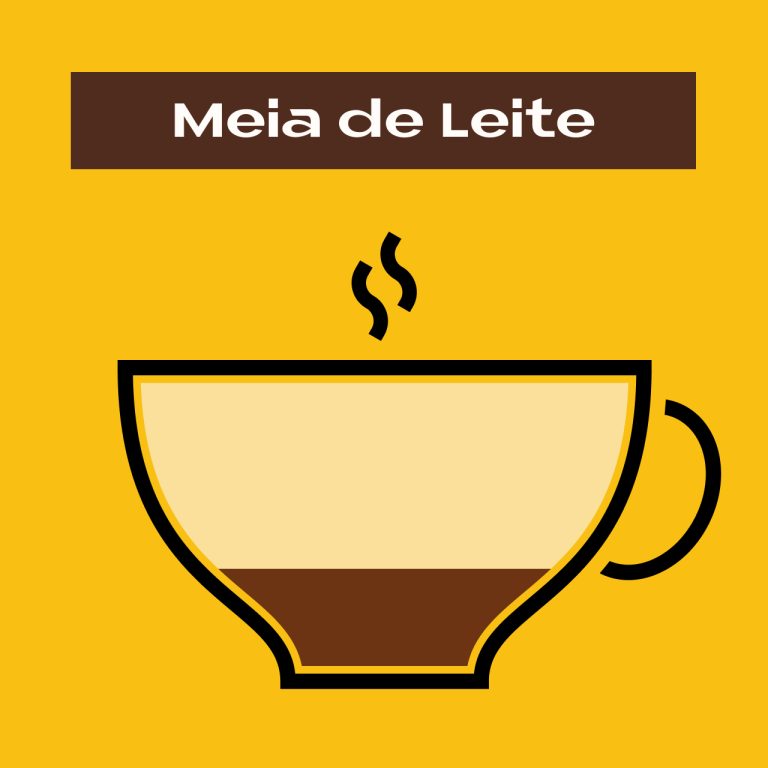
In cafes, all coffee is espresso-based, pulled from commercial machines. The standard drink is a cafe (called bica in Lisbon or cimbalino in Porto) – a small, strong espresso served in a tiny cup. Other popular drinks include meia de leite (half coffee, half milk), galao (espresso in a tall glass filled with foamed milk), pingado (espresso with a drop of milk), and abatanado (a longer, diluted espresso similar to an americano).
At home, capsule machines (particularly Delta Q, the Portuguese answer to Nespresso) are extremely popular. Traditional stovetop Moka pots are less common than in Italy or Spain.
How to Order Coffee in Portugal
Ordering coffee in Portugal is easy, but the vocabulary changes depending on which city you are in – and that is part of the charm.
In Lisbon, a standard espresso is called a bica. In Porto, the same drink is a cimbalino (named after the La Cimbali espresso machines that were once ubiquitous). Everywhere else, just say cafe and you will get the same thing. The different names for the same drink are a point of regional pride.
Walk into any pastelaria, say “um cafe, por favor” (or “uma bica” in Lisbon), and you will get a small, strong espresso. Want milk? Order a meia de leite (half and half) or a galao (more milk). Want it weaker? Ask for a abatanado.
For the complete guide to Portuguese coffee terminology and ordering tips, check out our How to Order Coffee in Portugal guide. You can also dive deeper into the broader culture with our Coffee Culture in Portugal article.
The Unwritten Rules of Portuguese Coffee Culture
The pastelaria is your living room: Portuguese cafes – pastelarias – are not just for coffee. They are where people meet, chat, read the paper, watch football on the TV in the corner, and eat pastries at all hours. It is perfectly normal to visit your local pastelaria two or three times a day.
Coffee with pastry – always: Portuguese coffee culture is inseparable from pastry culture. A cafe without a pastel de nata, a bola de Berlim, or a torrada is only half the experience. The pastry cabinet at the counter is not decoration – it is part of the ritual.
No milk rules: Unlike Italy, there is no unwritten law about when you can drink milky coffee. A galao or meia de leite is perfectly acceptable at any time of day. Nobody will judge you.
Stand or sit – same price: Most pastelarias in Portugal charge the same price whether you stand at the counter or sit at a table. This is different from France and Italy, where table service carries a premium.
Cash is still common: Many smaller pastelarias prefer cash, especially for small purchases like a single cafe. Card payments are increasingly accepted, but do not be surprised if the minimum is 5 EUR or if the machine is “broken.”
How Much Does Coffee Cost in Portugal?
Portugal has some of the cheapest coffee in Western Europe – possibly the cheapest. A standard espresso at a pastelaria typically costs between 0.60 and 0.80 EUR. Yes, you read that correctly.
At a neighborhood pastelaria: A cafe costs 0.60 to 0.80 EUR. A galao or meia de leite is 0.80 to 1.20 EUR. You can have a coffee and a pastel de nata for under 2 EUR.
In tourist areas (Lisbon, Porto): Prices increase slightly – expect 0.80 to 1.20 EUR for a cafe and 1.50 to 2.00 EUR for milky drinks. Still remarkably affordable by European standards.
Specialty coffee shops: Lisbon and Porto have growing specialty scenes. At places like Copenhagen Coffee Lab, Fabrica Coffee Roasters, or Dear Breakfast, expect to pay 2.50 to 4.00 EUR for specialty drinks – comparable to other European cities but still on the affordable side.
Why so cheap? Several factors: the high robusta content (robusta beans are less expensive than arabica), the dominance of large domestic brands like Delta, and a cultural expectation that coffee should be affordable for everyone. Raising coffee prices in Portugal is a politically sensitive issue – people notice.
Best Cities for Coffee in Portugal
Lisbon: The capital is where old and new collide. Historic pastelarias like A Brasileira in Chiado (where the poet Fernando Pessoa used to drink) sit alongside modern specialty shops like Fabrica Coffee Roasters and Copenhagen Coffee Lab. The pastel de nata from Pasteis de Belem paired with a bica is one of Europe’s great coffee experiences.
Porto: Porto’s coffee culture is slightly more traditional than Lisbon’s, and this is where you will hear “cimbalino” instead of “bica.” The Majestic Cafe is a stunning art nouveau landmark (though the coffee is secondary to the atmosphere). For better coffee, try Combi Coffee Roasters or Bop.
Coimbra: This university city has a vibrant cafe culture driven by students. The pastelarias around the university are always buzzing, and coffee prices are some of the lowest in the country. It is the perfect place to experience everyday Portuguese coffee culture.
Aveiro: A smaller city with a charming cafe scene. The pastelarias here serve excellent ovos moles (a local egg-and-sugar pastry) alongside your cafe – a distinctly Aveiro tradition.
Regional Differences in Portuguese Coffee
Portugal is a small country, but coffee terminology and culture shift as you move from north to south.
Lisbon: The standard espresso is called a bica. Legend says the name comes from “Beba Isto Com Acucar” (Drink This With Sugar) – a sign supposedly placed by A Brasileira cafe when espresso was first introduced and people found it too bitter. Whether the story is true or not, it stuck.
Porto: Here, the same drink is a cimbalino, named after the La Cimbali brand of espresso machines that were once standard in the city’s cafes. Younger generations increasingly just say “cafe,” but cimbalino remains in use, especially among older locals.
The Algarve: More tourist-oriented, so you will find more international coffee options alongside traditional Portuguese espresso. Prices are slightly higher than in the rest of the country.
The Azores: These Atlantic islands grow their own coffee – the only place in Europe where coffee is cultivated. Azorean coffee (from Sao Miguel island) is a rare, small-batch product with a unique character. If you can find it, try it.
The Islands (Madeira): Madeira has a similar pastelaria culture to the mainland, with the addition of local specialties like bolo de mel (honey cake) as a coffee companion.
Frequently Asked Questions About Portuguese Coffee
What is a bica?
A bica is simply a standard espresso in Lisbon. It is the same drink as a cafe – a small, strong shot of espresso. The name is used almost exclusively in Lisbon and the surrounding region. In Porto, the same drink is called a cimbalino.
Why is Portuguese coffee so strong?
Portuguese coffee blends typically contain a high percentage of robusta beans – sometimes 30% to 50% or more. Robusta has nearly twice the caffeine of arabica and a stronger, more bitter flavor. Combined with a dark roast, this produces the intense espresso Portugal is known for.
Is coffee really that cheap in Portugal?
Yes. A standard espresso in a neighborhood pastelaria costs 0.60 to 0.80 EUR across most of Portugal. Even in Lisbon and Porto, you rarely pay more than 1.00 to 1.20 EUR for a basic cafe. It is one of the cheapest places in Western Europe for coffee.
What is a galao?
A galao is an espresso served in a tall glass and filled with foamed milk – similar to a latte but with its own character. It is one of Portugal’s most popular milk coffee drinks and is enjoyed at any time of day.
What brand of coffee do most Portuguese cafes use?
Delta Cafes dominates the Portuguese market. You will see the red Delta logo on espresso machines in pastelarias across the country. Other popular brands include Nicola, Sical, and Buondi. Delta also makes Delta Q capsules for home use.