The holy grail of Italian coffee, a “cappuccino,” is made with equal parts espresso, steamed milk, and foamed milk, resulting in a warm and soothing drink perfect for starting your day.
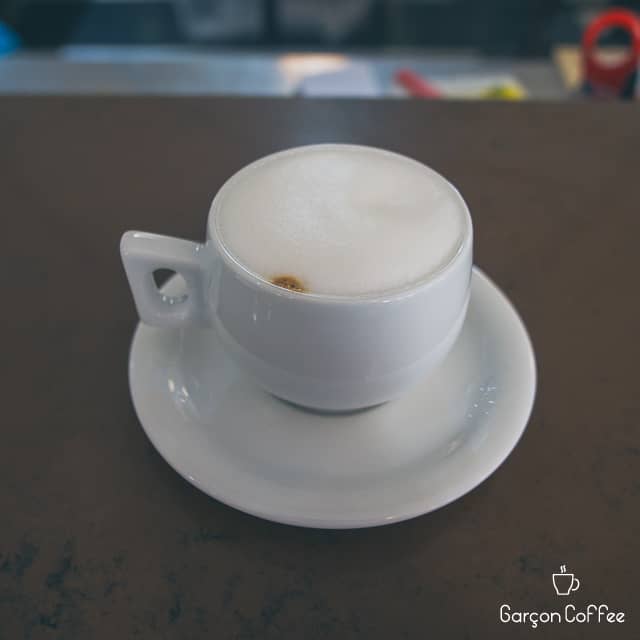
However, keep in mind that ordering a cappuccino after 10 or 11 a.m. might get you some funny looks in Italy, as Italians believe that drinking too much milk after a meal can unsettle the stomach. If you want a similar drink in the afternoon, order a “macchiatone” instead.
To order it, say, “Vorrei un cappuccino, per favore.”
Ingredients
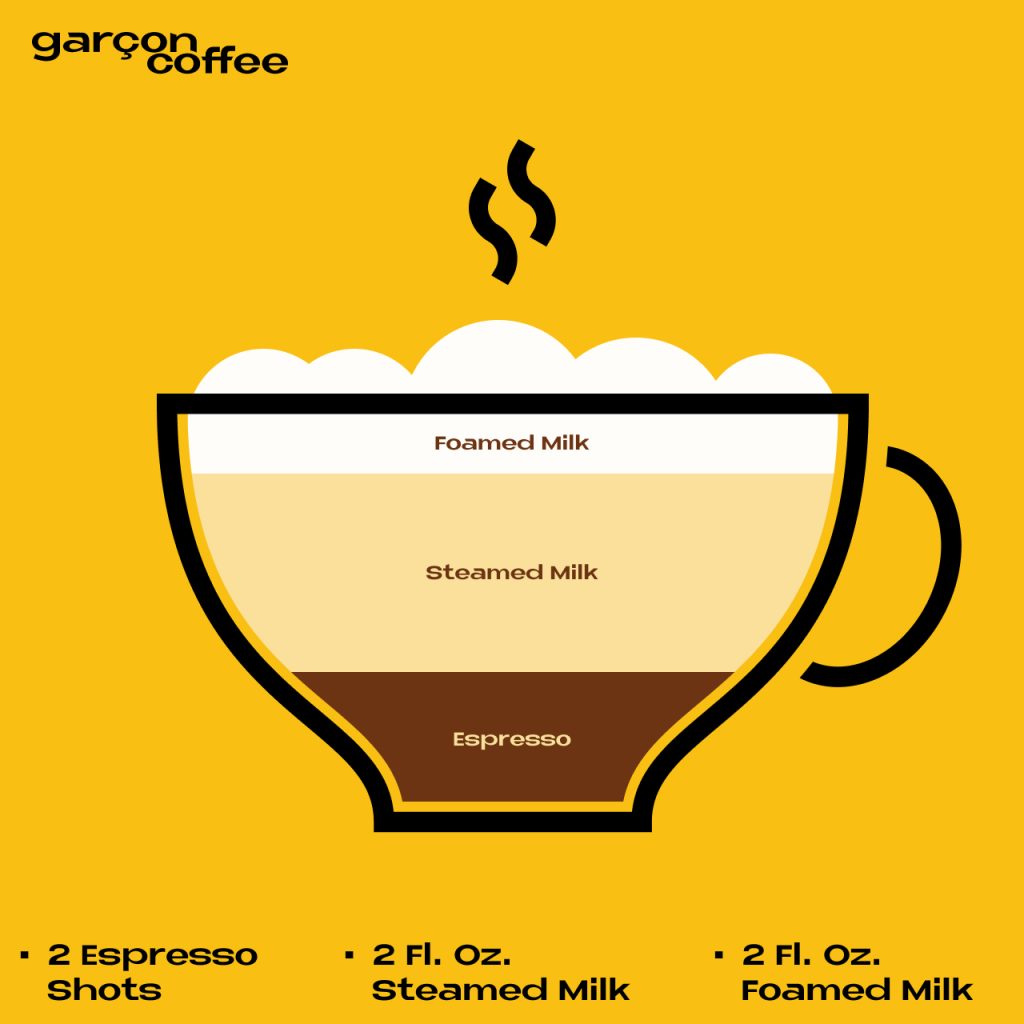
2 Espresso Shots + 2 Fl. Oz. Steamed Milk + 2 Fl. Oz. Foamed Milk
How to order a Cappuccino in Italy?
"Vorrei un cappuccino, per favore."
History and Origin
The cappuccino takes its name from the Capuchin friars, a Catholic religious order whose brown hooded robes (“cappuccio” means “hood” in Italian) resembled the color of the drink. The history of mixing coffee with milk dates back to the 1700s in Vienna, where a drink called “Kapuziner” – coffee mixed with cream and sugar – was popular in coffeehouses. When espresso machines were invented in Italy in the early 20th century, the modern cappuccino began to take shape. By the 1930s and 1940s, Italian baristas had perfected the art of steaming and frothing milk, creating the cappuccino we know today. It became a cornerstone of Italian breakfast culture and eventually spread worldwide, becoming one of the most recognized coffee drinks on the planet.
How It’s Made
A classic Italian cappuccino is built in three equal layers: espresso, steamed milk, and foamed milk. The barista pulls one or two shots of espresso (about 25-30 ml) into a ceramic cup. Then, using the steam wand on the espresso machine, they steam milk to create both liquid steamed milk and a thick, velvety foam. The steamed milk is poured over the espresso, and a generous cap of foam sits on top. The ideal cappuccino has a dense, creamy foam that holds its shape – you should be able to sprinkle cocoa powder or cinnamon on top without it sinking. The total volume is about 150-180 ml, served in a wide-brimmed ceramic cup. Temperature matters: Italians prefer their cappuccino warm but not scalding hot.
When and Where Locals Drink It
In Italy, the cappuccino is strictly a morning drink – consumed at breakfast, usually alongside a pastry like a cornetto (Italian croissant). Most Italians would never order a cappuccino after 10 or 11 AM, and ordering one after lunch or dinner will immediately mark you as a tourist. The reasoning is cultural and digestive: Italians believe that the combination of milk and a full stomach leads to discomfort. If you want a milk-touched coffee in the afternoon, order a macchiato instead – it uses so little milk that it is acceptable any time. The morning cappuccino ritual is sacred: stand at the bar, enjoy your cappuccino and cornetto, chat briefly with the barista, and start your day.
Variations
The classic cappuccino has several Italian variations. A “cappuccino scuro” (dark) has less milk for a stronger coffee flavor, while a “cappuccino chiaro” (light) has more milk for a gentler taste. A “cappuccino tiepido” is served lukewarm for those who want to drink it immediately without waiting. Some bars offer “cappuccino con cacao” with a dusting of cocoa powder on top. A “cappuccino senza schiuma” (without foam) is occasionally requested but somewhat defeats the purpose. For something between a cappuccino and a caffe latte, there is the “macchiatone” – a larger macchiato with more milk but less foam than a cappuccino. Outside Italy, flavored cappuccinos (vanilla, hazelnut, caramel) are common but are not part of the Italian tradition.
Cappuccino vs Caffe Latte vs Flat White
These three drinks use the same basic ingredients – espresso and milk – but in different ratios and textures. A cappuccino has equal parts espresso, steamed milk, and foam, creating a smaller, frothier drink (about 150-180 ml). A caffe latte uses much more steamed milk and less foam, resulting in a larger, creamier, milder drink (about 240-350 ml). A flat white falls in between – it uses less milk than a latte but has a thin, velvety microfoam rather than the thick froth of a cappuccino. Coffee flavor is strongest in the cappuccino, mildest in the latte, and balanced in the flat white.
How to Make at Home
Making a proper cappuccino at home requires mastering two skills: pulling espresso and steaming milk. Start by brewing one or two shots of espresso using an espresso machine (a moka pot works in a pinch but will not replicate the exact flavor). While the espresso brews, steam about 4 ounces of whole milk using a steam wand. The key technique: keep the steam tip just below the surface to incorporate air, creating a thick, creamy foam. Once the milk pitcher feels hot to the touch (around 65 degrees Celsius), stop steaming. Pour the steamed milk over the espresso, holding back the foam with a spoon, then scoop the foam on top. Without a steam wand, you can heat milk on the stove and froth it with a French press or handheld frother. The foam will not be as fine, but it will still taste great. Use Italian coffee brands like Illy, Lavazza, or Kimbo for authenticity.
FAQ
Why can’t you order a cappuccino after breakfast in Italy?
It is a cultural norm, not a law. Italians believe that drinking milk on a full stomach is bad for digestion. Since the cappuccino has a significant amount of milk, it is reserved for breakfast when the stomach is empty. Ordering one after lunch will not get you arrested, but you will get knowing looks from the barista.
What is the perfect foam for a cappuccino?
The ideal cappuccino foam is thick, dense, and velvety – it should hold its shape when you sprinkle cocoa on top. It should not be bubbly or airy. Achieving this requires proper steam wand technique: keep the tip just below the milk surface and listen for a gentle hissing sound.
How much caffeine is in a cappuccino?
A cappuccino has the same caffeine as a regular espresso – about 60-80 mg for a single shot, or 120-160 mg for a double. The milk does not affect the caffeine content.
Can I make cappuccino foam without a steam wand?
Yes. Heat milk in a saucepan, then use a French press (pump the plunger vigorously for 30 seconds) or a handheld battery-operated frother. The foam will be slightly less refined than steam-wand foam, but it works well for home use.