A “caffè macchiato” is an espresso with a small amount of steamed milk, giving it a slightly creamy texture.
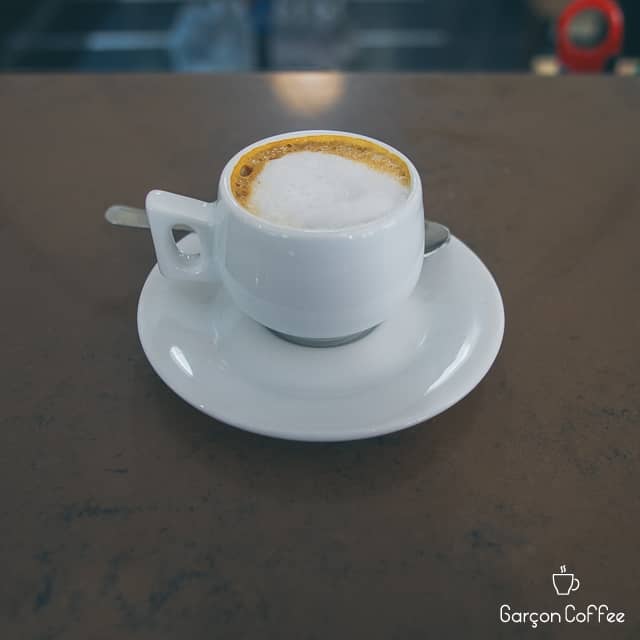
Ideal for those who enjoy the strong taste of espresso with a touch of milk, it’s served in a small cup. The word “macchiato” means “stained” in Italian.
Savoring a caffè macchiato means enjoying a perfect balance of bold and smooth flavors.
To order it, say, “Vorrei un caffè macchiato, per favore.”
Ingredients
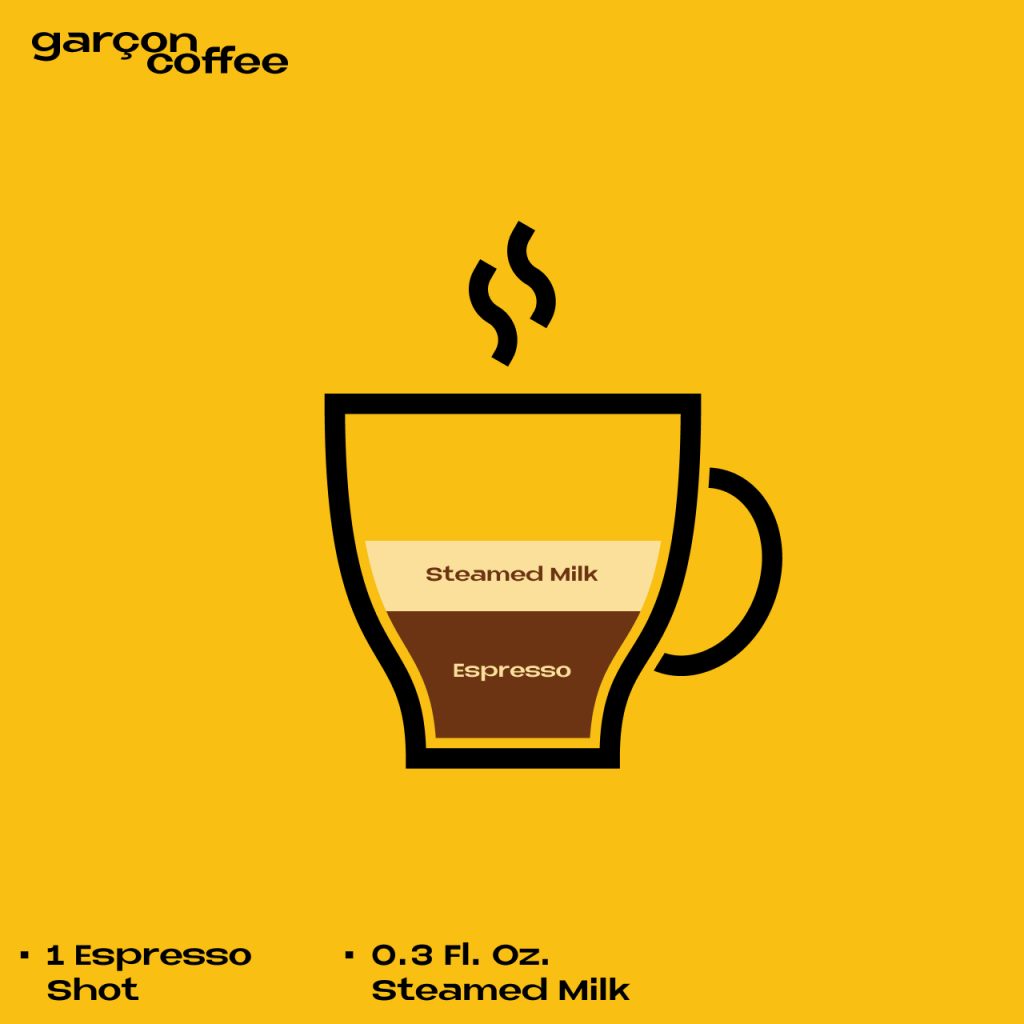
1 Espresso Shot + 0.3 Fl. Oz. Steamed Milk
How to order a Caffè Macchiato in Italy?
"Vorrei un caffè macchiato, per favore."
History and Origin
The caffe macchiato was born out of a practical need in Italian bars. “Macchiato” means “stained” or “spotted” in Italian, and the drink got its name because baristas needed a way to distinguish a plain espresso from one with a small splash of milk. When a customer ordered a macchiato, the barista would “stain” the caffe with just enough milk to mark it. The drink has been a fixture in Italian coffee culture for decades – a simple, elegant compromise between a straight espresso and a milkier drink like a cappuccino. Unlike the oversized caramel-drizzled beverages that some coffee chains call “macchiatos,” the Italian original is small, restrained, and focused entirely on the espresso.
How It’s Made
A caffe macchiato is a single shot of espresso (about 25-30 ml) topped with a small dollop of steamed or foamed milk – just enough to take the edge off the bitterness. The amount of milk is typically a teaspoon or two, no more. The barista pulls the espresso shot, then adds a small spoonful of steamed milk or a tiny cap of milk foam on top. There are two common styles: “macchiato caldo” (hot), made with a splash of steamed milk, and “macchiato freddo” (cold), made with a drop of cold milk. The drink is served in a standard espresso cup (about 60-90 ml). The result is an espresso that is just barely softened by milk.
When and Where Locals Drink It
Italians drink the caffe macchiato at any time of day. Unlike the cappuccino, which is restricted to morning hours, the macchiato is acceptable throughout the day because it uses so little milk. It is a popular mid-morning or afternoon choice for people who want something slightly gentler than a straight espresso but do not want a full milk-based drink. You will find it at every bar in Italy. Many Italians have a regular macchiato order – some always take it caldo, others freddo. It is a quick drink, consumed standing at the bar like most Italian coffees.
Variations
The two main variations are “macchiato caldo” (with warm steamed milk) and “macchiato freddo” (with a drop of cold milk). You can also order a “macchiatone,” which is a larger macchiato with slightly more milk – think of it as a mini latte, perfect for the afternoon when you want more milk but do not want to commit to a full cappuccino. A “latte macchiato” reverses the concept entirely: it is a glass of steamed milk “stained” with espresso poured on top, creating layers. Some bars also offer a “macchiato con schiuma” (with foam) if you specifically want milk foam rather than liquid milk.
Caffe Macchiato vs Cortado
The caffe macchiato and the cortado are often confused, but they differ in milk quantity. A macchiato uses just a tiny spot of milk – a teaspoon or two – while a cortado uses roughly equal parts espresso and warm milk. The cortado is a Spanish drink that creates a more balanced, creamier experience. The macchiato remains firmly espresso-forward with milk playing a supporting role. If you want your espresso barely touched by milk, order a macchiato. If you want a harmonious blend of coffee and milk in a small cup, go for a cortado.
How to Make at Home
Making a caffe macchiato at home is quick and simple. Brew a shot of espresso using an espresso machine or a moka pot. For a macchiato caldo, steam or heat a small amount of milk (just a tablespoon or two) and spoon it on top of the espresso. For a macchiato freddo, simply add a splash of cold milk straight from the fridge. If you want foam, you can froth milk with a handheld frother and place a small cap of foam on top. The key is restraint – if you add too much milk, you have made a different drink entirely. Serve in a small espresso cup. Italian roasts from Illy, Lavazza, or Kimbo will give you the most authentic flavor.
FAQ
What does macchiato mean in Italian?
“Macchiato” means “stained” or “spotted.” The name refers to the small spot of milk that stains the espresso.
Is a Starbucks macchiato the same as an Italian macchiato?
Not at all. A Starbucks “macchiato” is a large, milk-heavy drink with flavored syrup. An Italian caffe macchiato is a small espresso with just a tiny splash of milk – completely different in size, flavor, and concept.
Can I order a macchiato in the afternoon in Italy?
Absolutely. Unlike the cappuccino, which is a morning-only drink, the macchiato uses so little milk that it is perfectly acceptable at any time of day.
What is the difference between macchiato caldo and freddo?
Macchiato caldo uses a splash of warm, steamed milk. Macchiato freddo uses a drop of cold milk. Both are common – just tell the barista your preference.