A “caffè latte” in Italy consists of two shots of espresso mixed with steamed milk and a small amount of foamed milk.
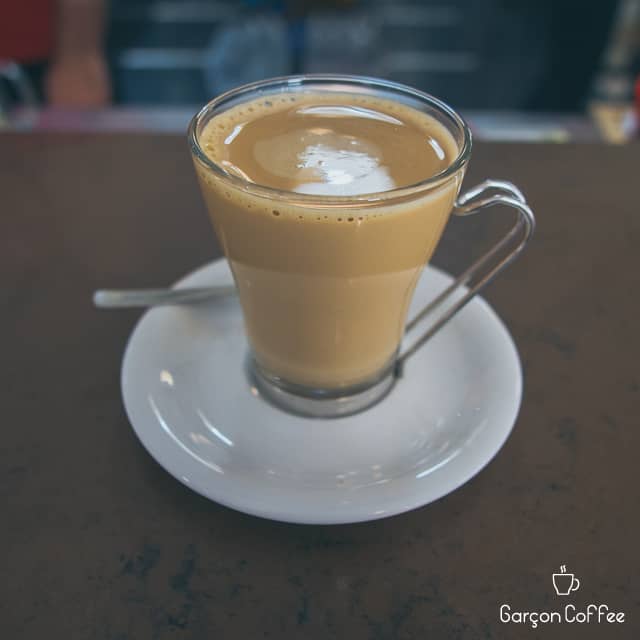
While not commonly ordered in Italy, if you do want one, ensure to specify “caffè” as just saying “latte” will get you a glass of milk. Also, it’s part of Italian coffee culture to drink milky beverages only in the morning.
To order it, say, “Vorrei un caffè latte, per favore.”
Ingredients
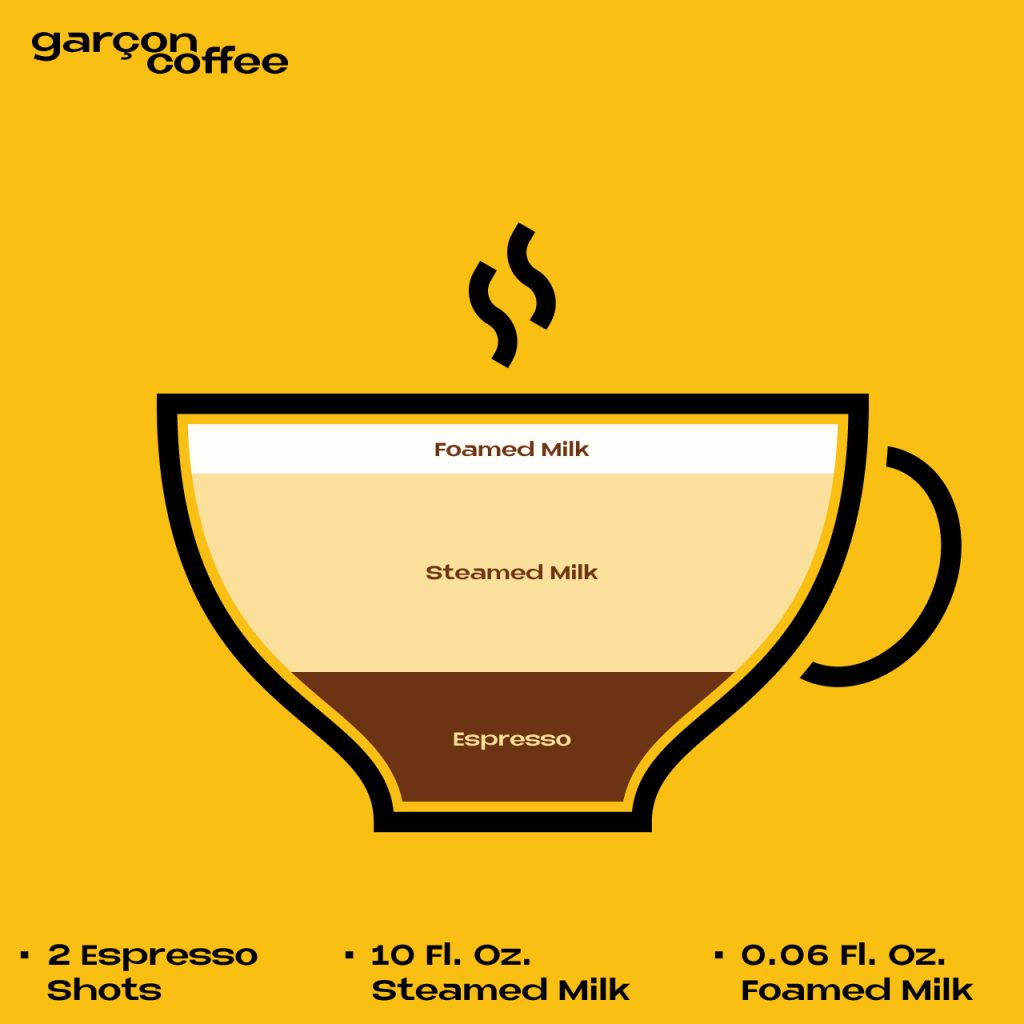
2 Espresso Shots + 10 Fl. Oz. Steamed Milk + 0.06 Fl. Oz. Foamed Milk
How to order a Caffè Latte in Italy?
"Vorrei un caffè latte, per favore."
History and Origin
The caffe latte as we know it today has roots in European coffee culture stretching back centuries. The idea of mixing coffee with milk appeared in Europe as early as the 17th century, when coffee first became widely available. In Italy, “latte” simply means “milk,” and adding warm milk to coffee was a common household practice long before it became a cafe staple. The term “caffe latte” – literally “coffee milk” – emerged to distinguish the drink from plain milk. Interestingly, the caffe latte as a specific cafe drink is more of an American and Northern European phenomenon. In Italy, it is traditionally a home breakfast drink rather than something you order at a bar. The global popularization of the caffe latte owes much to American coffee culture in the 1980s and 1990s.
How It’s Made
An Italian caffe latte consists of one or two shots of espresso combined with a generous amount of steamed milk and a thin layer of foam on top. The ratio is roughly 1 part espresso to 5 parts steamed milk, making it one of the milkiest espresso-based drinks. The barista pulls the espresso shots first, then steams the milk until it is hot and silky with minimal foam (unlike a cappuccino, which has much more foam). The steamed milk is poured over the espresso, and just a thin layer of microfoam sits on top. The drink is served in a large cup or glass – typically 8 to 12 ounces. The result is a mild, creamy, and smooth coffee experience.
When and Where Locals Drink It
In Italy, the caffe latte is primarily a morning drink – and more of a home drink at that. Many Italians prepare it in their own kitchen by brewing a moka pot of coffee and pouring it into a large cup of warm milk. Ordering a “caffe latte” at an Italian bar is not as common as ordering a cappuccino or a macchiato. If you do order one, keep it to the morning hours – drinking any milk-heavy coffee after noon is considered odd by Italian standards. The unspoken rule is that milk disrupts digestion after a meal, so Italians avoid milky coffees after breakfast.
Variations
The caffe latte can be adapted in many ways. For a stronger version, ask for a “latte doppio” with two espresso shots. A “latte macchiato” reverses the preparation – steamed milk is poured first, and espresso is added on top, creating visible layers. You can also request flavored syrups (vanilla, hazelnut, caramel) at international-style cafes, though this is not traditional in Italy. An iced caffe latte (“latte freddo”) is perfect for summer – espresso poured over cold milk and ice. For a dairy-free option, oat milk and soy milk are increasingly available at Italian cafes, especially in larger cities.
Caffe Latte vs Cappuccino
The caffe latte and cappuccino are both espresso-and-milk drinks, but the ratios are quite different. A cappuccino uses equal parts espresso, steamed milk, and foamed milk (roughly 1:1:1), resulting in a smaller, frothier drink. A caffe latte uses much more steamed milk and very little foam, creating a larger, creamier, and milder drink. In terms of coffee intensity, the cappuccino tastes stronger because there is less milk diluting the espresso. If you enjoy a bold coffee flavor with thick foam, go for the cappuccino. If you prefer a smooth, milky drink where the coffee is more of a background note, the latte is your choice.
How to Make at Home
Making a caffe latte at home is easy, even without professional equipment. Start by brewing a strong espresso using an espresso machine or a moka pot. While the coffee brews, heat about 8-10 ounces of milk. If you have a steam wand, steam the milk until it is hot and silky. Without a steam wand, you can heat milk in a saucepan and froth it using a French press (pump the plunger up and down rapidly) or a handheld milk frother. Pour the espresso into a large mug, then add the steamed milk in a steady stream. Top with a thin layer of foam. For the most authentic Italian experience, use whole milk – it creates the creamiest texture. Add sugar to taste.
FAQ
What happens if I order just a “latte” in Italy?
You will get a glass of plain milk. In Italian, “latte” means “milk.” Always say “caffe latte” to make sure you get coffee with your milk.
Is a caffe latte the same as a flat white?
They are similar but not identical. A flat white uses less milk and has a thinner layer of microfoam, resulting in a stronger coffee flavor. A caffe latte is milkier and milder.
Why do Italians only drink caffe latte in the morning?
Italians believe that milk is heavy on the stomach and should not be consumed after meals. Since lunch and dinner are important meals in Italian culture, milky coffees like the caffe latte are reserved for breakfast.