“Caffè Hag” is a decaffeinated coffee option in Italy, derived from the popular Italian brand of decaf coffee.
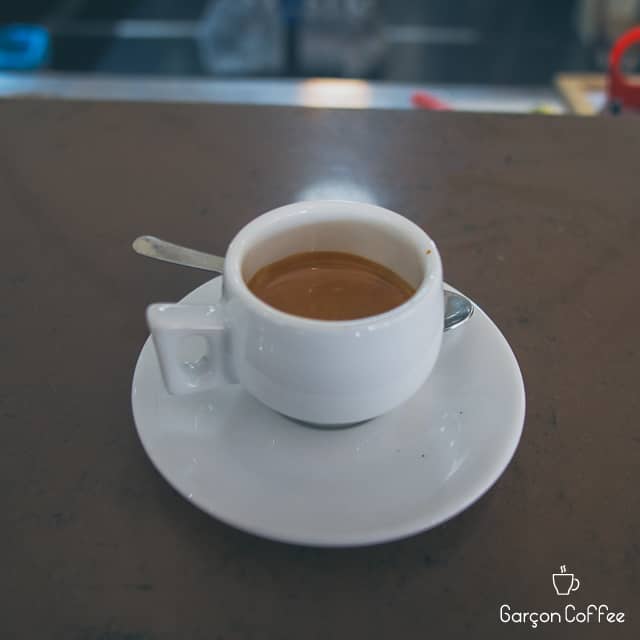
Although ordering decaf can be tricky in Italy, using the brand name “caffè Hag” has become more common than saying “un caffè decaffeinato.” This drink provides the full espresso experience without the caffeine.
Enjoying a caffè Hag allows you to savor the rich flavor of coffee without the stimulating effects.
To order it, say, “Vorrei un caffè Hag, per favore.”
Ingredients
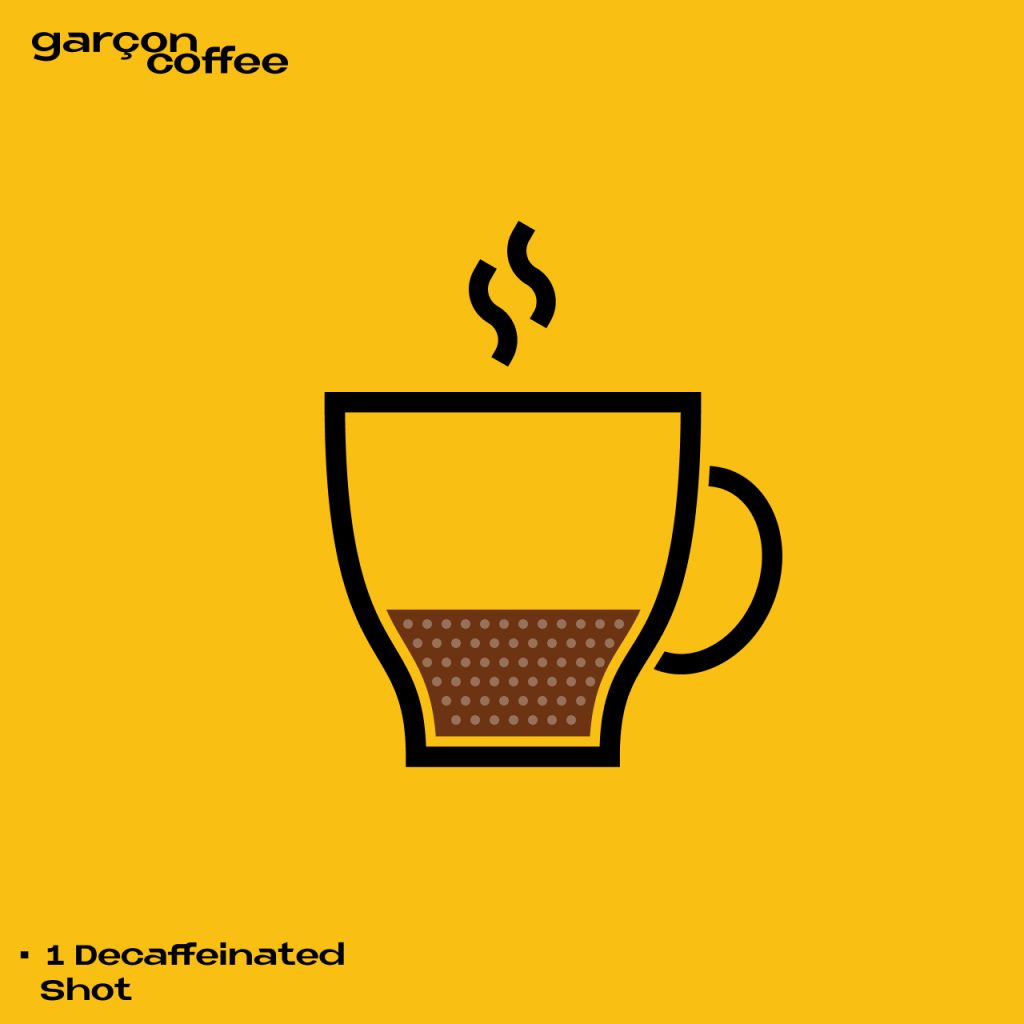
1 Decaffeinated Espresso Shot
How to order a Caffè Hag in Italy?
"Vorrei un caffè Hag, per favore."
History and Origin
The story of caffe Hag begins in 1906 in Bremen, Germany, when Ludwig Roselius patented one of the first commercial decaffeination processes. Roselius founded the Kaffee HAG company after his father – a heavy coffee drinker – died young, which he attributed to excessive caffeine consumption. The brand quickly spread across Europe. In Italy, Hag became so popular that “caffe Hag” effectively replaced the word “decaffeinato” in everyday conversation. By the mid-20th century, ordering a “Hag” at an Italian bar was as natural as ordering a caffe. Today, the brand is owned by JDE Peet’s, but the name remains deeply embedded in Italian coffee culture.
How It’s Made
A caffe Hag is prepared exactly like a standard Italian espresso – the only difference is the beans. Decaffeinated coffee beans go through a process to remove most of the caffeine (typically 97% or more) before roasting. The most common methods include the Swiss Water Process, which uses water to extract caffeine, and solvent-based methods using ethyl acetate or methylene chloride. Once the beans are decaffeinated, they are roasted, ground, and pulled through an espresso machine just like regular coffee. The barista tamps about 7-9 grams of decaf grounds into the portafilter, locks it in, and extracts a shot in roughly 25 seconds. The result is a concentrated, aromatic espresso with minimal caffeine.
When and Where Locals Drink It
Italians drink caffe Hag at any time of day, but it is especially popular in the evening or after dinner. Since Italian culture revolves around post-meal espresso, those who are caffeine-sensitive often reach for a Hag so they can still participate in the ritual without losing sleep. You will find it at virtually every bar and restaurant in Italy. Some older Italians also drink it in the afternoon as a gentler pick-me-up. It is also a common choice for pregnant women or anyone with heart conditions who has been advised to cut back on caffeine.
Variations
While the classic caffe Hag is a straight decaf espresso, you can customize it just like any other Italian coffee. Ask for a “Hag macchiato” if you want a splash of steamed milk. You can also get a “Hag lungo” for a longer, more diluted shot, or a “Hag ristretto” for an even more concentrated version. Some bars offer decaf pods from the Hag brand specifically, while others use their own decaf blend. In northern Italy, you might also hear people ask for a “deca” instead of “Hag,” though the brand name remains the most universally understood term.
Caffe Hag vs Caffe Decaffeinato
Technically, caffe Hag and caffe decaffeinato are the same thing – a decaffeinated espresso. The difference is purely linguistic. “Caffe Hag” uses the brand name (like saying “Kleenex” instead of “tissue”), while “decaffeinato” is the generic Italian word. In practice, if you say “un decaffeinato” at a bar, the barista will understand perfectly. However, saying “un Hag” is faster, more casual, and signals that you know your way around Italian coffee culture. Either way, you will get the same drink.
How to Make at Home
Making caffe Hag at home is straightforward. You will need a moka pot or an espresso machine and quality decaffeinated coffee beans or pre-ground decaf espresso. For a moka pot, fill the bottom chamber with water up to the valve, add finely ground decaf coffee to the filter basket without pressing it down, assemble the pot, and place it on medium heat. Wait for the coffee to gurgle up into the top chamber. For an espresso machine, use 7-9 grams of decaf grounds, tamp firmly, and extract for about 25 seconds. Serve in a warm espresso cup. The key to a good decaf at home is fresh, high-quality decaf beans – look for Italian brands like Lavazza Dek or Illy Decaf for an authentic experience.
FAQ
Does caffe Hag taste different from regular espresso?
Modern decaffeination methods preserve most of the flavor, so a well-made caffe Hag tastes very close to regular espresso. You might notice a slightly milder body, but the difference is subtle.
Is caffe Hag completely caffeine-free?
Not entirely. Decaffeinated coffee still contains a small amount of caffeine – typically around 2-5 mg per shot compared to 60-80 mg in a regular espresso. For most people, this trace amount has no noticeable effect.
Can I order a Hag anywhere in Italy?
Yes. Virtually every bar, cafe, and restaurant in Italy stocks decaf coffee. Simply ask for “un caffe Hag” or “un Hag” and the barista will know exactly what you mean.
Is the Hag brand the only decaf option in Italy?
No. While Hag is the most recognized brand name, many Italian bars use decaf blends from Lavazza, Illy, or other roasters. The name “Hag” has simply become a generic term for decaf espresso in everyday Italian.