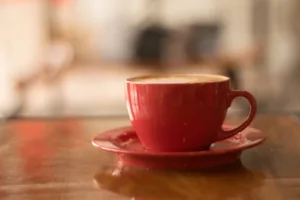
In Spain, ordering an espresso involves asking for “un café solo,” a term that directly translates to a solo coffee, highlighting its simplicity and strength. You would say, “Me puede poner un café solo, por favor.”
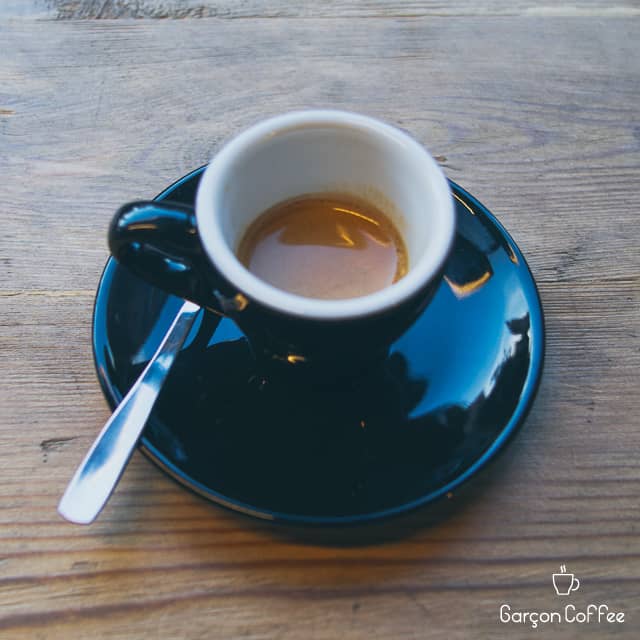
This beverage is a fundamental part of Spanish coffee culture, typically served in small cups with a robust flavor. An interesting fact is that Spain’s coffee culture emphasizes enjoying coffee as a social activity.
The popularity of “café solo” underscores the Spanish preference for strong, straightforward coffee experiences.
Ingredients
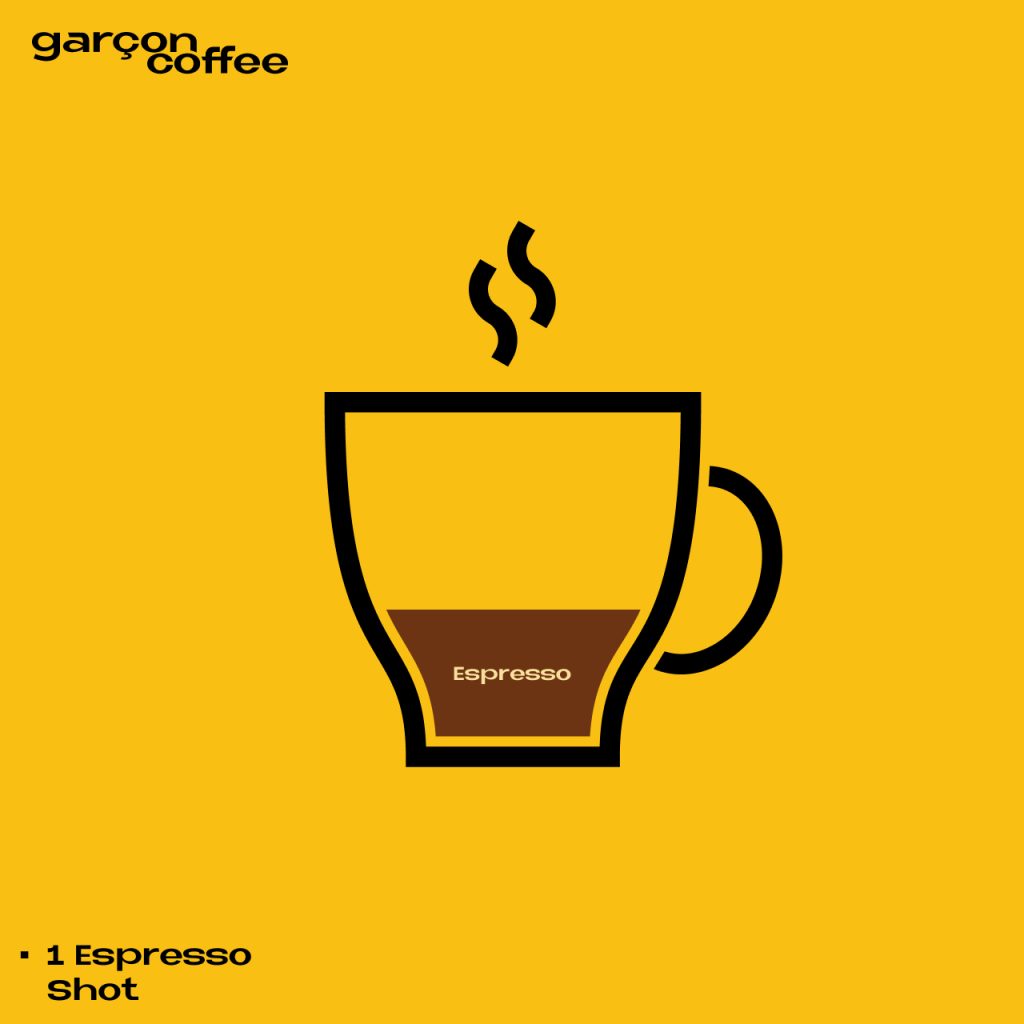
1 Espresso Shot
How to order a Café Solo in Spain?
"Me puede poner un café solo, por favor."
History and Origin
The cafe solo has been a cornerstone of Spanish coffee culture for well over a century. Coffee first arrived in Spain through trade routes with the Ottoman Empire and North Africa in the 17th and 18th centuries. By the 19th century, coffeehouses – called “cafeterias” – had become important social gathering places in cities like Madrid, Barcelona, and Seville. The term “solo” simply means “alone” in Spanish, referring to coffee served on its own without milk or water. Spain developed its own roasting tradition called “torrefacto,” where beans are roasted with sugar, creating a darker, more bitter profile that defines the classic cafe solo flavor. While torrefacto is declining in popularity among specialty coffee drinkers, it remains widespread in traditional Spanish bars.
How It’s Made
A cafe solo is a single shot of espresso, typically pulled from a commercial espresso machine. Spanish bars generally use a blend that often includes torrefacto beans mixed with naturally roasted beans (called “mezcla”). The barista grinds the coffee fresh, tamps about 7-8 grams into the portafilter, and extracts the shot in roughly 25 seconds. The result is a small, concentrated coffee – usually about 30 ml – served in a small ceramic cup or glass. Some bars in Spain pull slightly longer shots than what you would find in Italy, giving the cafe solo a touch more volume. Sugar is almost always offered on the side, and most Spaniards add at least one packet.
How to Order
To order a cafe solo in Spain, simply say: “Me puede poner un cafe solo, por favor” (meh PWEH-deh poh-NEHR oon kah-FEH SOH-loh, por fah-VOR). In casual settings, you can shorten it to just “un solo, por favor.” If you want a double shot, ask for a cafe solo doble. In most Spanish bars, the waiter or barista will understand you perfectly even if your pronunciation is not flawless.
When and Where Locals Drink It
Spaniards drink cafe solo throughout the day, but it is most common after meals – especially after lunch (the main meal, typically around 2-3 PM). It is also the standard morning coffee for those who skip milk. You will find cafe solo at every bar, restaurant, and cafeteria in Spain. Many workers grab a quick solo at the bar counter during mid-morning break time (“el almuerzo”). After dinner, a cafe solo is the classic way to finish a meal before heading out for the evening. Standing at the bar and drinking it quickly is typical – sitting at a table often costs a bit more.
Variations
The cafe solo is the foundation of many Spanish coffee drinks. Add a splash of milk and you have a cortado. Add more milk and it becomes a cafe con leche. For a stronger kick, order a cafe solo doble (double espresso). A “cafe solo corto” is a shorter, more concentrated pull. In summer, Spaniards often order “cafe solo con hielo” – a solo served alongside a glass of ice, which you pour over yourself. Some regions also offer “carajillo,” which adds a shot of brandy or rum to the espresso.
Cafe Solo vs Cortado
The main difference between a cafe solo and a cortado is milk. A cafe solo is pure espresso with nothing added, while a cortado includes a small amount of warm milk to “cut” the bitterness (the word “cortado” comes from “cortar,” meaning to cut). If you enjoy strong, undiluted coffee, go with the solo. If you want the same espresso base but with a smoother, slightly creamy finish, the cortado is your drink. Both are served in small cups and consumed quickly.
How to Make at Home
To make an authentic cafe solo at home, you will need an espresso machine or a moka pot. For the most authentic flavor, look for Spanish coffee brands like Marcilla, Bonka, or Torrefacto blends that mix natural and sugar-roasted beans. Grind the beans finely, use about 7-8 grams for a single shot, and extract for 25 seconds on an espresso machine. With a moka pot, fill the water chamber to the valve, add the ground coffee to the basket, and heat on medium until the coffee rises. Serve in a small, pre-warmed cup. Add sugar to taste – most Spaniards use one or two packets. For the full experience, drink it standing at your kitchen counter.
FAQ
What does “solo” mean in cafe solo?
“Solo” means “alone” in Spanish. It refers to coffee served by itself – no milk, no water, just a straight shot of espresso.
Is cafe solo the same as an Italian espresso?
They are very similar, but Spanish cafe solo tends to use different bean blends (often including torrefacto-roasted beans) and may be pulled slightly longer. The flavor profile is generally darker and more bitter than a typical Italian espresso.
Do Spaniards add sugar to cafe solo?
Yes, most Spaniards add sugar to their coffee. It is completely normal and expected. Sugar packets are always provided alongside your cup.