In Portugal, “café pingado” means an espresso with just a dash of milk, giving it a slightly creamy texture.
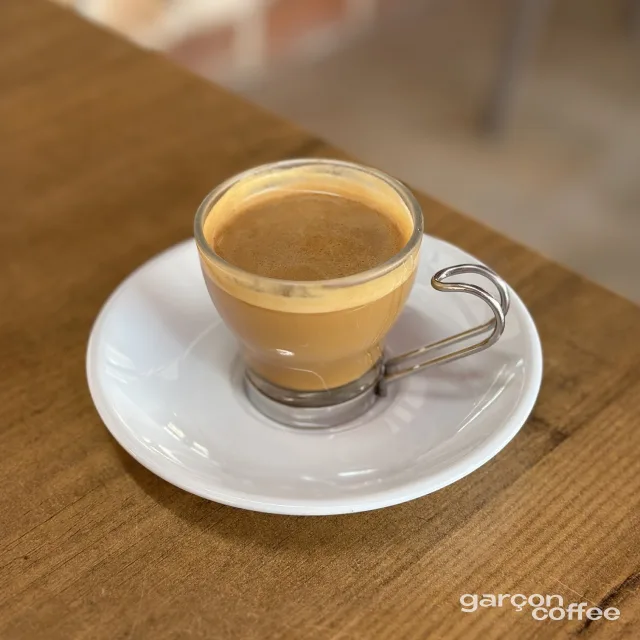
This drink suits those who love the strong taste of espresso with a touch of milk to soften the flavor. It’s typically served in a small cup.
Enjoying a café pingado means experiencing a robust coffee with a hint of creaminess, balancing intensity and smoothness.
To order it, say, “Queria um café pingado, por favor.”
Ingredients
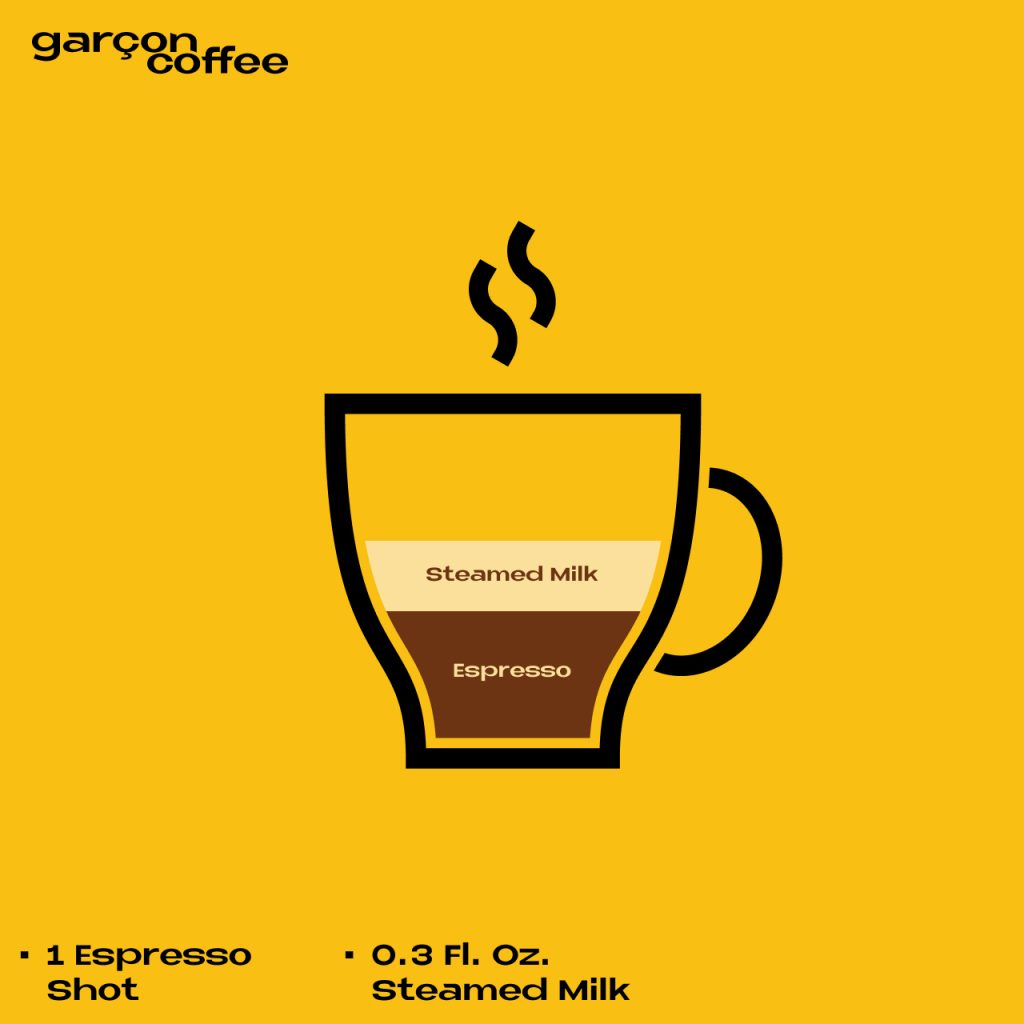
1 Espresso Shot + 0.3 Fl. Oz. Steamed Milk
How to order a Café Pingado in Portugal?
"Queria um café pingado, por favor."
History and Origin
The cafe pingado is a uniquely Portuguese coffee drink with deep roots in the country’s espresso culture. Portugal’s coffee tradition dates back to the 18th century, when coffee arrived from Brazilian colonies. The word “pingado” comes from the Portuguese verb “pingar,” meaning “to drip.” The name perfectly describes the drink – it is an espresso with just a drip or drop of milk added to it. Portugal developed its own rich coffee vocabulary, with different names for various milk-to-coffee ratios. The pingado sits near the espresso end of the spectrum, offering just the faintest touch of milk. It is a staple in Portuguese cafes (“pastelarias”) and is most commonly heard in northern Portugal and the Lisbon area.
How It’s Made
A cafe pingado starts with a standard Portuguese espresso, which is typically pulled using a commercial espresso machine. Portuguese espresso tends to be slightly longer and less concentrated than Italian espresso, often using a blend with some robusta beans mixed with arabica for a fuller body and more crema. The barista pulls the shot and then adds just a few drops – literally a “ping” – of steamed or warm milk. The amount of milk is minimal, usually around 5-10 ml, barely enough to change the color of the coffee. The drink is served in a small espresso cup. The milk softens the flavor just slightly without turning it into a milky drink.
When and Where Locals Drink It
Portuguese people drink pingados throughout the day. Morning, mid-morning, after lunch, mid-afternoon – there is no wrong time for coffee in Portugal. The pingado is a favorite among those who find straight espresso a touch too harsh but do not want a larger milk-based drink like a galao. You will find it at every pastelaria, cafe, and restaurant in Portugal. It is especially common as a quick stop at the counter – you stand, drink your pingado, maybe eat a pastry (a pastel de nata, naturally), pay, and move on. The social and ritual aspects of Portuguese coffee culture make these brief cafe stops an essential part of daily life.
Variations
The pingado has a few close relatives in Portuguese coffee culture. A “pingo” is sometimes used as a shorter name for the same drink. If you want more milk, step up to a “meia de leite” (half coffee, half milk) or a galao (espresso in a tall glass of steamed milk). For less milk, just order a straight “bica” or “cafe” (plain espresso). In some regions, the amount of milk in a pingado can vary – in the north, it might be a bit more generous, while in Lisbon it tends to be truly just a drop. You can also ask for your pingado with cold milk instead of steamed milk.
Cafe Pingado vs Cafe Galao
The cafe pingado and the cafe galao are both Portuguese espresso-and-milk drinks, but the milk ratios are worlds apart. A pingado has just a few drops of milk – barely enough to notice. A galao is served in a tall glass and is roughly one-quarter espresso to three-quarters steamed milk, making it similar to a latte. The pingado is for espresso lovers who want the tiniest softening. The galao is for those who prefer a large, milky, mild coffee. Think of it this way: a pingado is an espresso with a whisper of milk, while a galao is milk with a whisper of espresso.
How to Make at Home
To make a cafe pingado at home, brew a shot of espresso using a moka pot or espresso machine. Portuguese-style espresso benefits from a medium-dark roast – brands like Delta or Nicola are popular Portuguese choices. Once your espresso is ready, add just a tiny splash of warm milk – we are talking a teaspoon or two at most. The milk should barely lighten the color of the coffee. If you are using a moka pot, the brew will be slightly different from a machine-pulled espresso but still works well. Serve in a small cup. Some people add sugar, which is very common in Portugal. The whole point of the pingado is subtlety – if you can clearly taste the milk, you have added too much.
FAQ
What does pingado mean in Portuguese?
“Pingado” comes from the verb “pingar,” meaning “to drip.” It refers to the tiny drip of milk added to the espresso.
Is a pingado the same as a macchiato?
They are very similar in concept – both are espresso with a small amount of milk. The main difference is cultural context and slight preparation variations. A Portuguese pingado may use slightly more milk than a strict Italian macchiato, but the drinks are close cousins.
Where in Portugal is the pingado most popular?
The term “pingado” is used throughout Portugal but is especially common in the Lisbon area and northern regions. In some parts of the country, you might hear different terms for similar drinks.