“Italiano” refers to a ristretto, an espresso shot with half the amount of water, creating a more concentrated flavor.
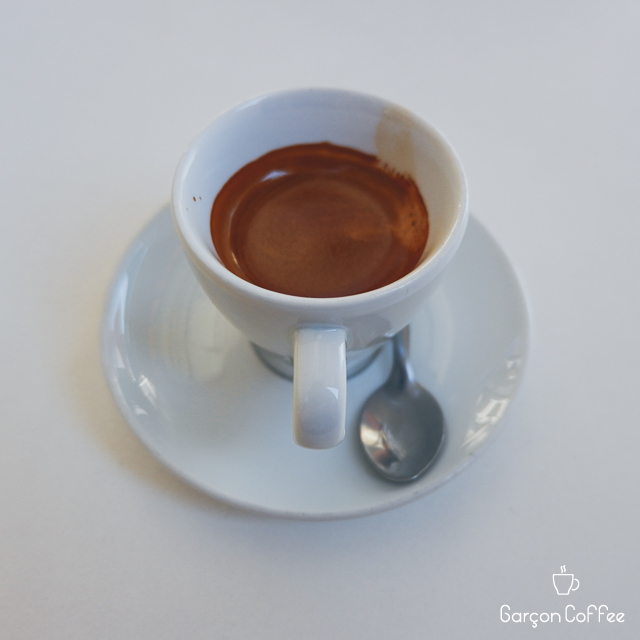
This drink is perfect for those who enjoy a stronger, more intense coffee experience. It’s typically served in a small cup and offers a bold, rich taste.
Enjoying an italiano offers a quick and intense burst of coffee flavor, making it a favorite among espresso aficionados looking for a concentrated coffee kick.
To order it, you would say, “Queria um italiano, por favor.”
Ingredients
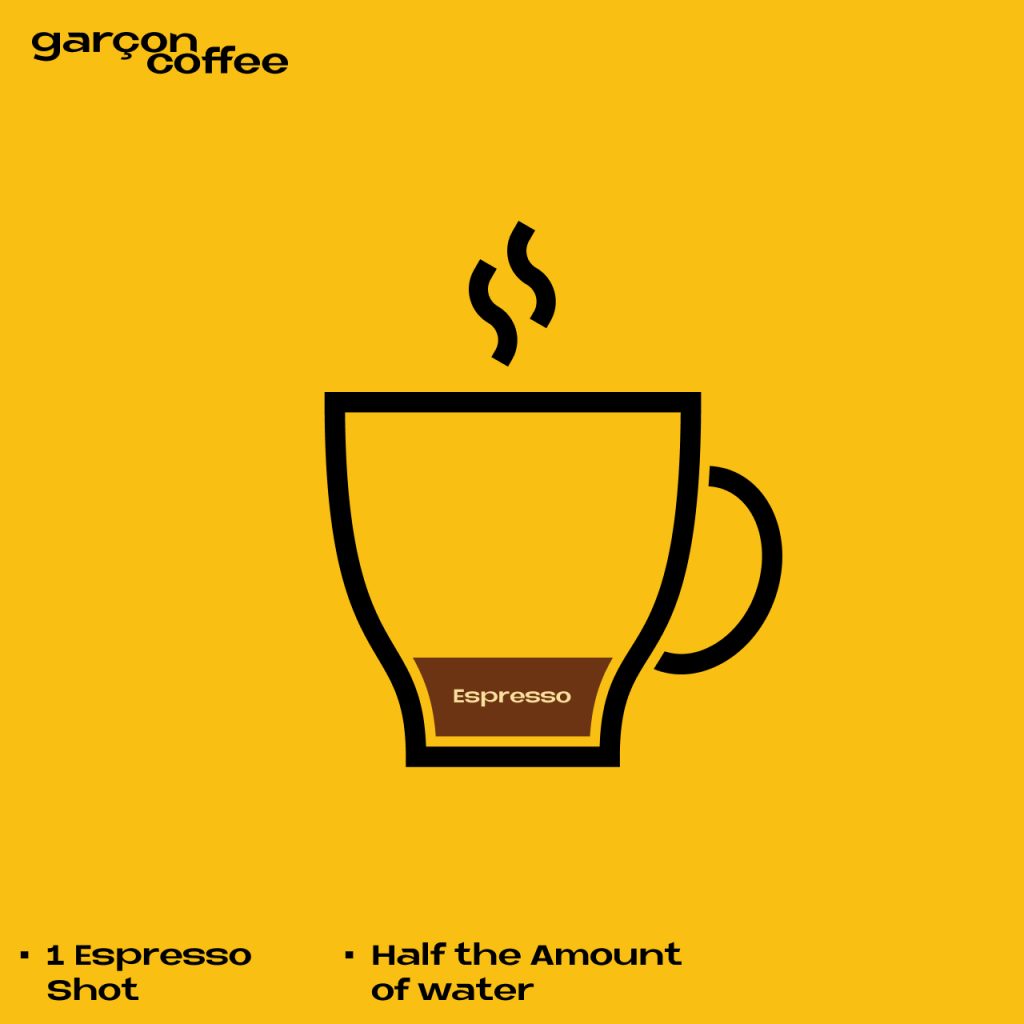
1 Espresso Shot + Half the Amount of Water
How to order an Italiano in Portugal?
"Queria um italiano, por favor."
History and Origin
In Portugal’s coffee culture, the “italiano” is essentially what Italians call a ristretto – a shorter, more concentrated espresso. The name “italiano” (meaning “Italian”) reflects the Portuguese recognition that this style of short, intense espresso is the Italian way of making coffee. Portugal has one of the highest per-capita coffee consumption rates in Europe, and the country’s coffee vocabulary is remarkably detailed. Each variation in volume, strength, or milk ratio gets its own name. The italiano represents the most concentrated end of the spectrum – less water through the same amount of coffee grounds, resulting in a richer, more intense shot. It is a nod to the Italian espresso tradition that influenced Portuguese coffee culture.
How It’s Made
A cafe italiano is made by running less water through the espresso grounds than a standard shot. While a regular Portuguese espresso (called a “bica” in Lisbon or a “cafe” elsewhere) uses the full extraction, an italiano cuts the water short – typically producing around 15-20 ml of liquid compared to the standard 25-30 ml. The same amount of ground coffee is used, but the shorter extraction time means fewer bitter compounds are pulled from the grounds. The result is a thick, syrupy shot with a more concentrated flavor and a sweeter, less bitter taste. The barista simply stops the machine earlier or uses a preset button for the shorter extraction. It is served in a standard small espresso cup.
When and Where Locals Drink It
The cafe italiano appeals to coffee enthusiasts who want the most intense espresso experience possible. In Portugal, you will find it at most cafes and pastelarias, though it is not as commonly ordered as the standard cafe or a meia de leite. People who order an italiano tend to be serious coffee lovers who appreciate the concentrated, syrupy quality of a restricted shot. It can be enjoyed at any time of day, just like regular espresso. Some Portuguese coffee drinkers prefer it after a heavy meal, as the concentrated flavor feels more satisfying in a smaller volume. It is always served at the counter for a quick, intense coffee moment.
Variations
The italiano is already a variation of standard espresso, but you can customize it further. If you want even less volume, some bars will accommodate a very short pull, though this is unusual. You can ask for an “italiano duplo” (double ristretto) for two concentrated shots. Adding a drop of milk creates a sort of concentrated pingado. In some Portuguese cafes, you might hear “curto” used interchangeably with “italiano” – both refer to a shorter espresso, though purists might argue there is a slight difference in extraction length. For the opposite direction – a longer, more diluted espresso – ask for a “cheio” (full) or “cimbalino longo.”
Cafe Italiano vs Regular Espresso
The cafe italiano and a regular Portuguese espresso use the same amount of ground coffee, but the water volume differs. A standard espresso runs about 25-30 ml of water through the grounds, while an italiano uses only about 15-20 ml. This shorter extraction produces a more concentrated, sweeter, and less bitter shot. The italiano has more body and a thicker, almost syrupy texture. It also contains slightly less caffeine than a full espresso since caffeine is extracted progressively – a shorter pull means less caffeine in the cup. If you want bold flavor and maximum intensity, the italiano is your drink. If you prefer a more balanced, slightly longer shot, stick with the standard cafe.
How to Make at Home
Making a cafe italiano at home requires an espresso machine with adjustable settings or very attentive timing with a moka pot. On an espresso machine, use the same dose of ground coffee as you would for a regular espresso (about 7-9 grams), but stop the extraction early – after about 15-20 seconds instead of the usual 25. This will give you a smaller, more concentrated shot. With a moka pot, the technique is trickier – remove the pot from heat as soon as coffee starts flowing, before the full volume has risen. The result will not be as precise as a machine, but it will be shorter and more concentrated. Use a fine grind and quality Portuguese or Italian beans. Delta, Nicola, or Segafredo are good choices. Serve in a warm espresso cup.
FAQ
Why is it called “italiano” in Portugal?
The name reflects the Portuguese association of short, concentrated espresso with Italian coffee culture. Italy is known for its ristretto-style shots, and Portuguese cafes adopted the term as a shorthand for this concentrated extraction.
Does a cafe italiano have more caffeine?
Actually, it has slightly less. Caffeine extraction increases with water contact time, so a shorter extraction pulls less caffeine. However, the flavor is more concentrated and intense, which can make it feel stronger.
Is a cafe italiano the same as a ristretto?
Essentially, yes. Both terms describe a short espresso extraction with less water than a standard shot. “Italiano” is the Portuguese term; “ristretto” is the Italian term for the same concept.