In France, simply ordering “un cafe” will get you a classic espresso shot. This drink is the foundation of French coffee culture and is enjoyed throughout the day.
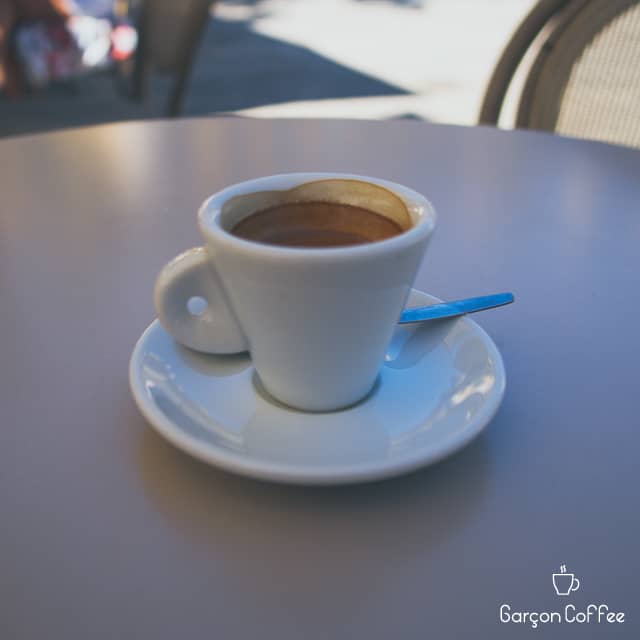
There are many ways of ordering an espresso in France, such as “un petit cafe,” “un cafe noir,” or “un cafe express.” Each variation offers the same strong and rich flavor, served in a small cup.
History and Origin
Coffee arrived in France in the 17th century, with the first Parisian cafe – Le Procope – opening in 1686. From that point forward, coffee became inseparable from French intellectual and social life. The cafes of Paris became gathering places for writers, philosophers, and artists. Voltaire reportedly drank 40 cups a day. When espresso machines arrived from Italy in the early 20th century, the French quickly adopted the format, and “un cafe” became shorthand for a shot of espresso served in a small cup. Today, the cafe is the most fundamental coffee order in France – the default setting, the baseline against which all other French coffee drinks are measured.
How It’s Made
A French cafe is a single shot of espresso, pulled from finely ground, dark-roasted coffee beans. The standard shot is about 25-30 ml, extracted under high pressure through an espresso machine in about 25-30 seconds. French cafes tend to use darker roasts than their Italian counterparts, which gives the cafe a slightly more bitter and smoky character. The drink is served in a small ceramic or porcelain cup, often on a saucer with a small spoon and sometimes a piece of chocolate or a biscuit on the side. No milk, no sugar (unless you add your own), no fuss.
How to Order
Say: “Je voudrais un cafe, s’il vous plait” (zhuh voo-DREH uhn ka-FAY, seel voo PLEH). You can also simply say “un cafe” at the bar. Other ways to say the same thing include “un petit cafe,” “un express,” “un cafe noir,” or “un petit noir.” They all mean the same thing – a single espresso. If the waiter asks “allonge?” they are asking if you want it diluted with extra water, in which case say “non” if you want the standard.
When and Where Locals Drink It
The cafe is appropriate at any time of day in France. Morning, after lunch, mid-afternoon, after dinner – there is never a wrong time for an espresso. The most classic French coffee moment is the post-lunch espresso, sipped quickly at the bar counter (standing) or lingered over at a terrace table. Ordering at the bar is cheaper than sitting at a table in most French cafes, which is why you will see locals standing at the zinc counter for their quick shot. The cafe is available literally everywhere – from Michelin-starred restaurants to gas station rest stops.
Variations
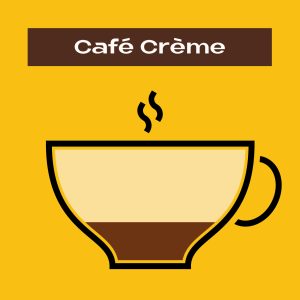
Starting from a basic cafe, France has built an entire coffee menu. Add milk and foam and you get a cafe creme. Add a tiny drop of milk and you have a cafe noisette. Dilute it with hot water for a cafe allonge. Double the dose for a cafe double. Restrict the water for a serre. Each variation starts from this same simple espresso base. You can also add sugar (most French people do), or order it with a shot of liquor to make a cafe arrose.
Cafe vs Italian Espresso
The French cafe and the Italian espresso are cousins, not twins. The French version tends to use a darker roast, resulting in a more bitter and robust flavor. Italian espresso often uses a medium to medium-dark roast, which produces more crema and a slightly sweeter, more balanced shot. Italian espresso culture also has stricter unwritten rules about extraction and preparation. The French approach is more relaxed – the cafe is just part of daily life, not a craft to be obsessed over. Both are delicious, just different in philosophy.
How to Make a Cafe at Home
To replicate a French cafe at home, you need dark-roasted espresso beans – look for a French or Italian roast blend. Grind them fine and pull a single shot using an espresso machine, Moka pot, or Aeropress (using the espresso-style method). The shot should be about 1 ounce (25-30 ml) of dark, rich liquid with a thin crema on top. Serve it in a small cup. Do not add milk unless you want a different drink entirely. If you like sugar, add it after pulling the shot. For the full experience, serve it with a small piece of dark chocolate on the saucer.
Ingredients
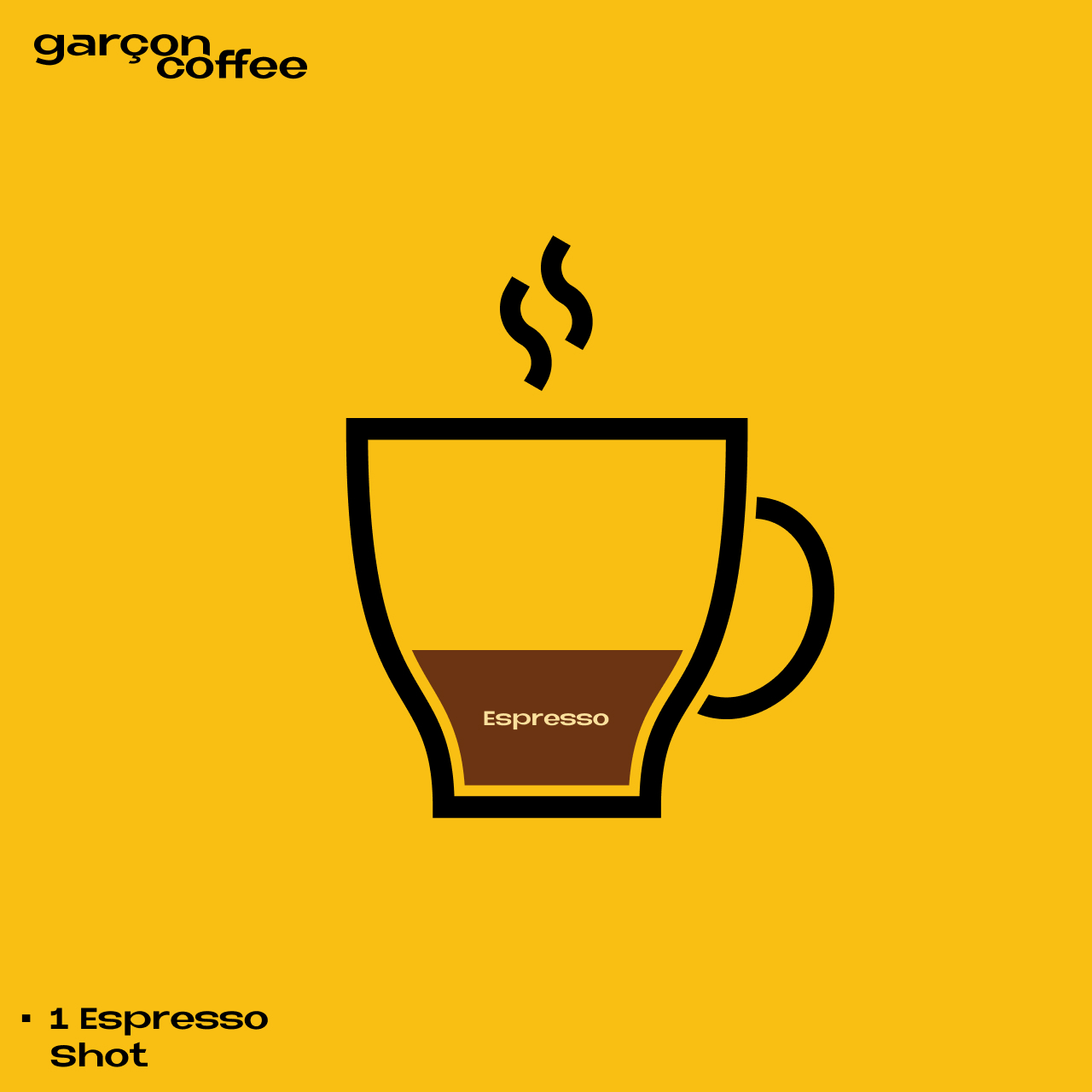
1 Espresso Shot
How to order a Cafe in France?
"Je voudrais un cafe, s'il vous plait."
Frequently Asked Questions
What do you get when you order ‘un cafe’ in France?
You get a single shot of espresso, served in a small cup. It is the default coffee order in France – no milk, no water added, just straight espresso.
Is French coffee stronger than Italian espresso?
French cafes tend to use darker roasts, which can taste more bitter and intense. However, Italian espresso often has more crema and a more balanced flavor. ‘Stronger’ depends on whether you mean taste or caffeine content.
How much does a cafe cost in France?
At the bar counter, a cafe typically costs between 1 and 2 euros. At a terrace table – especially in Paris – it can cost 3 to 5 euros or more. Standing at the bar is always the cheapest option.
Do French people add sugar to their coffee?
Yes, many French people add sugar to their espresso. You will often find sugar cubes or packets on the counter or on your saucer when the coffee is served.