A “café duplo” is essentially a double espresso, offering a robust and intense coffee experience.
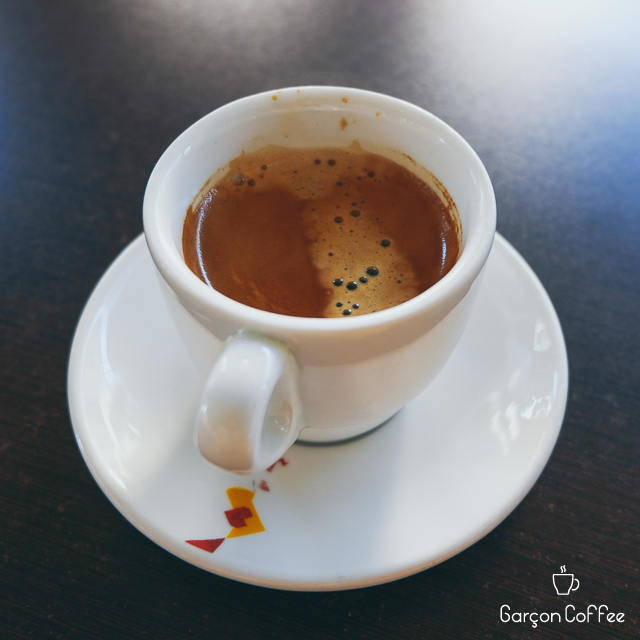
Ideal for those needing an extra caffeine boost, this drink is strong and served in a small cup. It’s perfect for starting the day or as an energizing afternoon pick-me-up.
This choice provides a rich, powerful flavor, making it a favorite among coffee enthusiasts.
To order, you would say, “Queria um café duplo, por favor.”
Ingredients
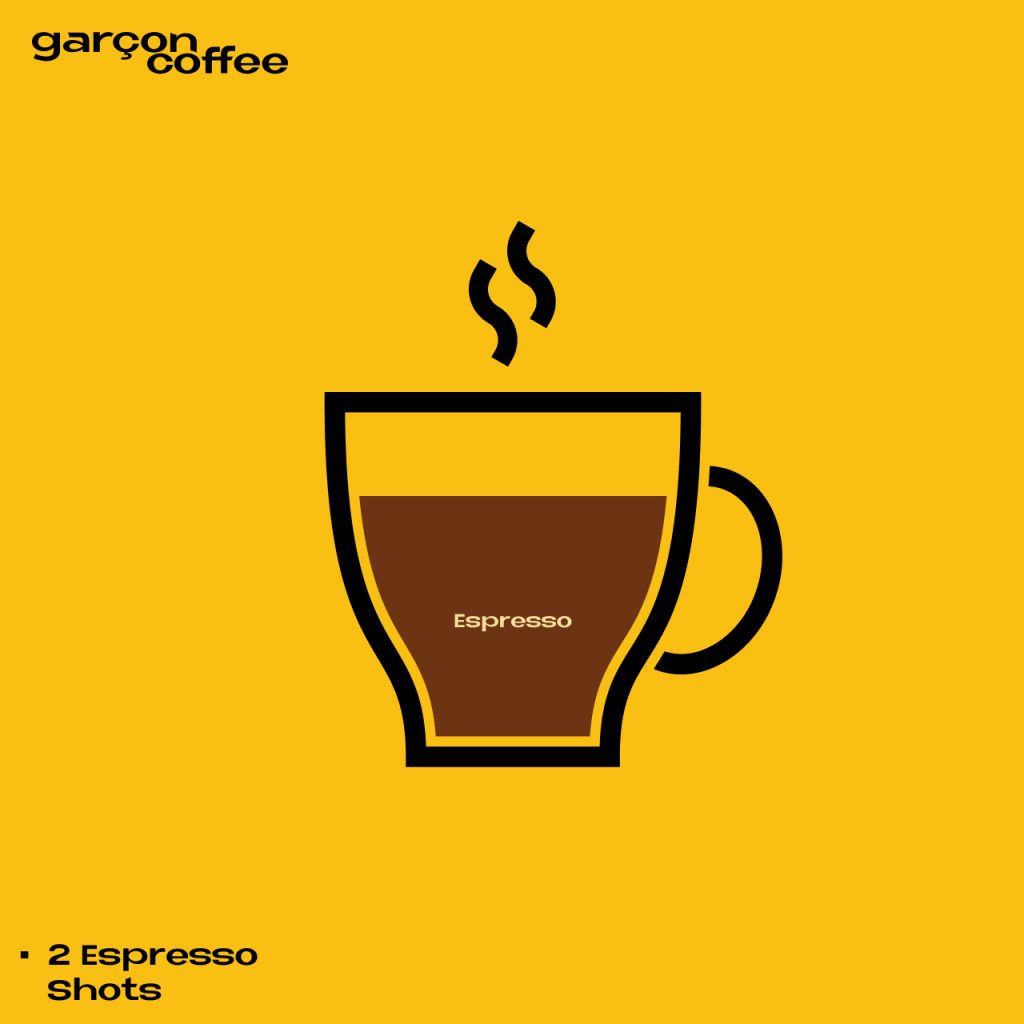
2 Espresso Shots
How to order a Café Duplo in Portugal?
"Queria um café duplo, por favor."
History and Origin
Cafe duplo – “double coffee” in Portuguese – is simply a double espresso. Like the Italian doppio, it gives you twice the volume and caffeine of a standard cafe. It’s the go-to order when one shot isn’t enough but you don’t want to order two separate coffees.
How It’s Made
- 14-16 grams of finely ground coffee (double the regular)
- Standard espresso extraction
- Volume: 40-50ml
- Served in a slightly larger cup
How to Order
Say: “Um cafe duplo, por favor” (oom ka-FEH DOO-plo, por fa-VOR). Some people also say “um duplo” on its own.
When and Where Locals Drink It
The duplo is common on Monday mornings, during long work sessions, and after heavy meals when you need an extra kick. It’s more popular in Portuguese cities than rural areas, where the pace of life allows for multiple single cafes spread throughout the day.
Duplo vs Italiano
Interestingly, Portugal’s coffee spectrum works like this:
- Cafe Italiano – shorter and more concentrated than regular
- Cafe – the standard single shot
- Duplo – double shot
- Abatanado – diluted, longer coffee
How to Make at Home
- Use a double portafilter basket with 14-16g of coffee
- Extract normally for 25-30 seconds
- With a Moka pot, use a 3-4 cup size and pour the full amount into one cup
Frequently Asked Questions
Is a duplo twice the price of a regular cafe?
Not quite – it’s usually about 1.00-1.30 euros, compared to 0.60-0.80 for a regular cafe. So about 50-70% more, not double.
Is it the same as an Italian doppio?
Same concept, different name. The Portuguese duplo uses the heavier robusta-blend typical of Portuguese coffee, so it may taste slightly different from an Italian doppio.