“Cafe descafeinado” is the go-to option for those who love the taste of coffee but prefer to avoid caffeine. This drink is made from decaffeinated espresso, ensuring the full flavor without the stimulating effects.
History and Origin
Decaffeinated coffee has a fascinating origin story. The process was first developed in 1903 by Ludwig Roselius, a German merchant who believed caffeine had contributed to his father’s death. He patented a method using benzene (thankfully no longer used) to strip caffeine from green coffee beans. The concept quickly spread across Europe, and Spain embraced decaf coffee as part of its deeply social coffee culture. In Spain, where coffee is enjoyed multiple times a day and well into the evening, having a decaf option was a natural fit. The term “descafeinado” simply means “decaffeinated,” and it has been a standard menu item in Spanish bars and cafeterias for decades.
How It’s Made
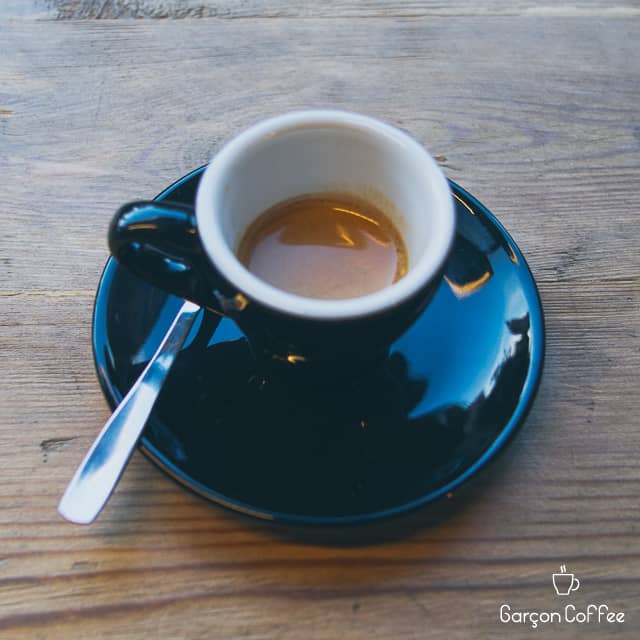
Cafe descafeinado starts with decaffeinated coffee beans that have been processed to remove most of the caffeine – typically 97% or more. The most common modern methods include the Swiss Water Process, which uses only water, and the CO2 method, which uses pressurized carbon dioxide. Once the beans are decaffeinated and roasted, the espresso is prepared exactly like a regular cafe solo – ground fine and pulled through an espresso machine under high pressure. The result is a shot that looks and tastes very similar to regular espresso, just without the caffeine kick.
How to Order
In Spain, you would say: “Me puede poner un cafe descafeinado, por favor” (meh PWEH-deh poh-NEHR oon ka-FEH des-ka-fey-NAH-doh, por fa-VOR). An important detail – many Spanish bars keep both machine-made decaf and individual packets of instant decaf (called “de sobre”). If you want it from the machine, specify “de maquina.” If you do not specify, you might get the instant sachet version, which has a noticeably different taste.
When and Where Locals Drink It
The beauty of cafe descafeinado is that it fits anywhere in the Spanish daily routine. It is especially popular in the evening – after dinner – when Spaniards still want to enjoy a coffee socially but do not want caffeine keeping them up. You will also see older Spaniards ordering it throughout the day on medical advice, or people who simply enjoy coffee as a ritual rather than for energy. It is available in every bar, restaurant, and cafeteria across Spain, from the busiest Madrid terrace to a quiet village cafe.
Variations
You can order a descafeinado in almost any style. A “descafeinado con leche” gives you a cafe con leche without the caffeine – probably the most popular combination. A “descafeinado cortado” adds just a splash of milk. You can even get a descafeinado bonbon (with condensed milk) or a descafeinado con hielo (iced, served with a glass of ice on the side). The decaf world in Spain mirrors the regular coffee menu almost perfectly.
Cafe Descafeinado vs Regular Cafe Solo
The main difference between a descafeinado and a regular cafe solo is obviously the caffeine content. But there are subtle flavor differences too. Decaf beans can taste slightly flatter or less complex because the decaffeination process strips away some volatile compounds along with the caffeine. That said, quality has improved dramatically in recent years, and a well-made descafeinado de maquina can be surprisingly close to the real thing. The instant sachet version (de sobre) is a different story – it tends to taste thinner and more artificial.
How to Make Cafe Descafeinado at Home
Making a cafe descafeinado at home is straightforward. Buy quality decaffeinated espresso beans – look for brands that use the Swiss Water Process or CO2 method for better flavor. Grind the beans fine and brew using an espresso machine or Moka pot. The preparation is identical to regular espresso. For the best results, use freshly roasted decaf beans rather than pre-ground coffee, and store them in an airtight container away from light and heat. Serve in a small espresso cup, just like a regular cafe solo.
Ingredients
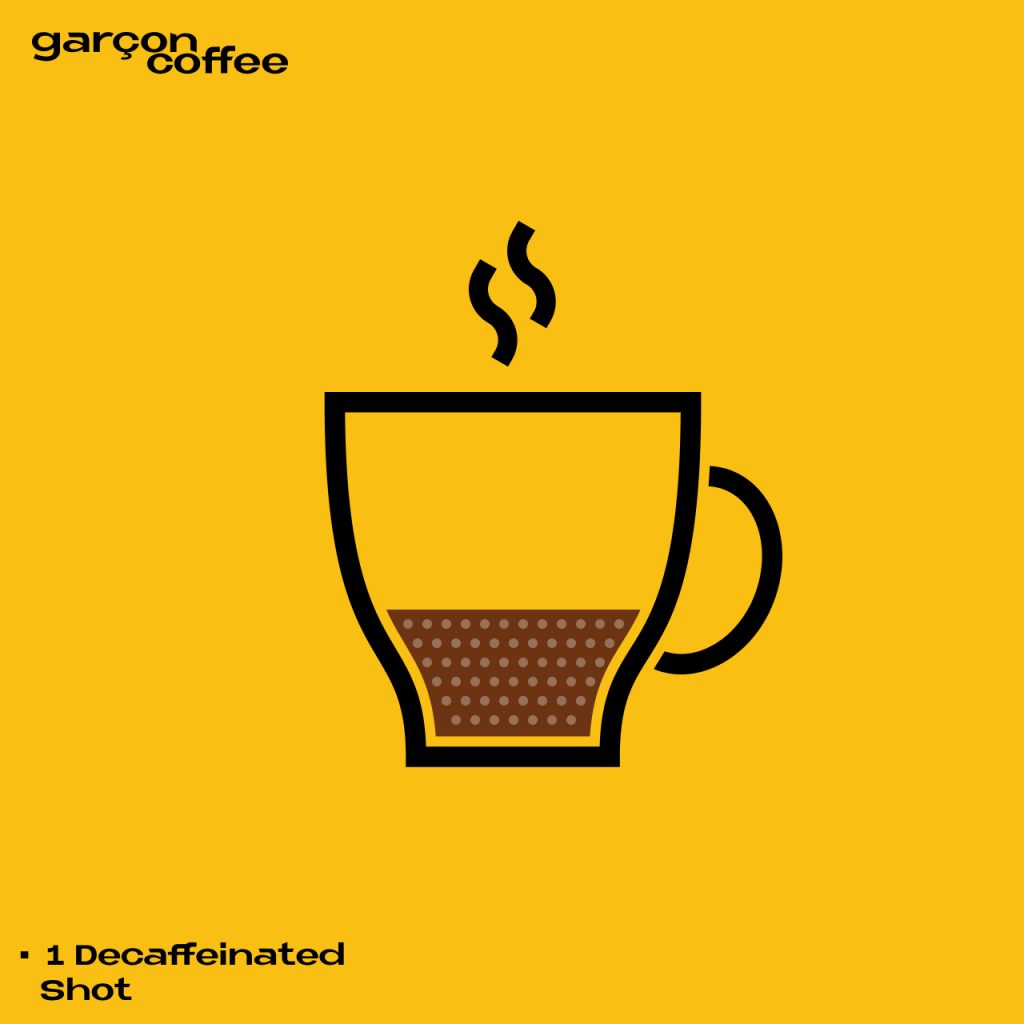
1 Decaffeinated Espresso Shot
How to order a Cafe Descafeinado in Spain?
"Me puede poner un cafe descafeinado, por favor."
Frequently Asked Questions
Does cafe descafeinado taste the same as regular coffee?
A well-made descafeinado de maquina comes very close to regular espresso, though it can be slightly less complex. The instant sachet version (de sobre) has a noticeably different, thinner taste.
How much caffeine is in a descafeinado?
Decaffeinated coffee still contains a small amount of caffeine – typically around 2-5 mg per shot, compared to 60-80 mg in a regular espresso. It is not completely caffeine-free.
What does ‘de maquina’ vs ‘de sobre’ mean?
De maquina means the decaf is made from ground beans through the espresso machine. De sobre means it comes from an individual instant coffee sachet. Always ask for de maquina for better quality.
Can I order a descafeinado con leche?
Absolutely. You can order a descafeinado in any style – con leche, cortado, bonbon, or con hielo. Just add descafeinado before the style you want.