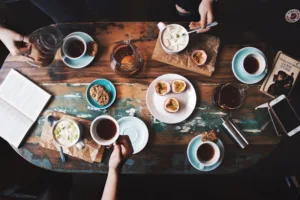
A carajillo is a unique Spanish coffee drink that combines espresso with a small amount of liquor, such as rum, brandy, or whisky. This results in a bold and warming beverage.

History and Origin
The carajillo has a colorful history that dates back to Spain’s colonial era. According to popular legend, Spanish soldiers in Cuba were given a mix of coffee and rum to give them “coraje” (courage) before heading into battle. The word “carajillo” is believed to derive from this – a contraction of “corajillo,” meaning “a little bit of courage.” Whether or not this origin story is entirely true, the drink has been a fixture of Spanish bar culture for well over a century. It represents a time when the line between a coffee break and a drink was comfortably blurred in Spain.
For a deeper dive into this iconic drink, check out our full guide on what is a carajillo.
How It’s Made
The traditional Spanish carajillo is simple but has some nuance. A shot of espresso (or cafe solo) is combined with a small pour of liquor – typically brandy (the most traditional choice), rum, whisky, or anis. In the classic method, the liquor is heated in the espresso cup first, sometimes flambeed briefly to burn off some alcohol and caramelize the sugars. Then the espresso is poured directly on top. Some bartenders add a twist of lemon peel or a few coffee beans to the heated liquor before adding the espresso. The proportions are roughly one part liquor to two parts espresso, though this varies widely.
How to Order
In Spain, say: “Me puede poner un carajillo, por favor” (meh PWEH-deh poh-NEHR oon ka-ra-HEE-yoh, por fa-VOR). It helps to specify which spirit you want. “Un carajillo de brandy” or “un carajillo de ron” (rum) tells the bartender exactly what to make. If you do not specify, most bars will default to brandy, but it is always better to ask.
When and Where Locals Drink It
The carajillo is traditionally a post-meal drink, enjoyed after lunch (sobremesa) or after dinner. You will find older Spanish men ordering carajillos in the afternoon at neighborhood bars – it is very much part of the older generation’s coffee routine. In some regions, especially in rural areas, having a morning carajillo is not unheard of, though this is less common in cities. The drink is served in bars and cafeterias across Spain, though it is more popular in some regions (like Catalonia and central Spain) than others.
Variations
The carajillo varies significantly across Spain and Latin America. In Catalonia, the “cremat” is a variation where the liquor (usually rum) is flambeed with sugar, lemon peel, and cinnamon before adding the coffee. In Mexico, the carajillo has become hugely popular but with a twist – it is made with Licor 43 (a vanilla-citrus liqueur) and served over ice, creating a completely different drink from the Spanish original. In some parts of Spain, you can order a “quemado” (burned) carajillo where the spirit is flambeed, or a “solo” carajillo with the liquor served on the side.
Carajillo vs Irish Coffee
Both drinks combine coffee with spirits, but they are quite different in character. An Irish coffee uses brewed filter coffee, Irish whiskey, sugar, and is topped with thick cream – it is rich, sweet, and dessert-like. A carajillo is leaner and more intense, using espresso with just a small pour of liquor and no cream. The carajillo is meant to be sipped quickly, while an Irish coffee is a slow, indulgent drink. The carajillo also has far less alcohol per serving.
How to Make a Carajillo at Home
Making a carajillo at home is easy and fun. Start by warming your cup – pour a small amount of brandy (about 1 ounce) into an espresso cup and heat it gently in the microwave for 10 seconds or over a stove flame. If you are feeling adventurous, carefully ignite the brandy with a match to flambe it briefly (be careful – keep your face back). Add a twist of lemon peel if you like. Then pull a shot of espresso and pour it directly into the cup over the liquor. Stir gently, and enjoy while hot. You can substitute brandy with rum, whisky, or even anise liqueur depending on your preference.
Ingredients

1 Espresso Shot + Small Amount of Liquor (Rum, Brandy, or Whisky)
How to order a Carajillo in Spain?
"Me puede poner un carajillo, por favor."
Frequently Asked Questions
What alcohol is in a carajillo?
The traditional Spanish carajillo uses brandy, but rum, whisky, and anis are also common. In Mexico, Licor 43 is the standard choice. You can ask for your preferred spirit when ordering.
Is a carajillo strong?
A carajillo contains both espresso and alcohol, so it packs a punch in both caffeine and spirits. However, the amount of liquor is typically small – about 1 ounce – so it is not an overly boozy drink.
When do Spaniards drink a carajillo?
Carajillos are traditionally enjoyed after lunch or dinner as a digestif. Some older Spaniards also drink them in the afternoon. Ordering one in the morning is unusual but not unheard of in rural areas.
What is the difference between a Spanish and Mexican carajillo?
The Spanish version is hot, made with brandy or rum and straight espresso. The Mexican version is iced, made with Licor 43 and espresso, and is sweeter and more dessert-like.