
“Café au lait” is a classic French coffee drink made with equal parts of brewed coffee and steamed milk. It is typically enjoyed at breakfast and is perfect for those who prefer a milder coffee taste.
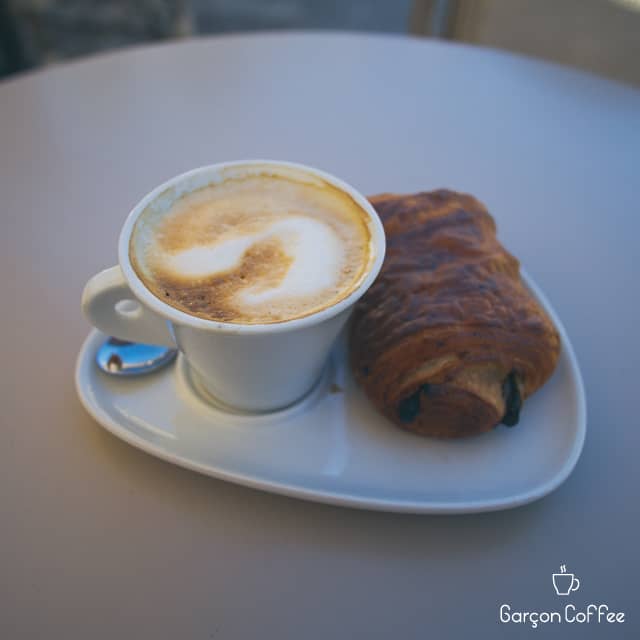
This drink is similar to the café crème but uses brewed coffee instead of espresso, offering a lighter and smoother coffee experience. It’s a favorite for dipping morning pastries and enjoying a relaxed start to the day.
Savoring a café au lait is a great way to begin your day with a warm and comforting drink that combines the best of coffee and milk. It’s a staple in French coffee culture and a delightful morning ritual.
To order it, you would say, “Je voudrais un café au lait, s’il vous plaît.”
Ingredients

Brewed Coffee + Half Steamed Milk
How to order a Café au Lait in France?
"Je voudrais un café au lait, s'il vous plaît."
History and Origin
The cafe au lait is one of the most iconic French coffee drinks, with a history stretching back to the 17th century when coffee first arrived in France. Coffee houses began appearing in Paris in the 1670s, and it did not take long for the French to start mixing their coffee with hot milk. The cafe au lait became synonymous with French breakfast culture. By the 19th century, it was firmly established as the morning drink of choice across all social classes. The tradition of serving it in a wide, handle-less bowl (called a “bol”) became a defining feature of French home breakfasts. Writers, artists, and intellectuals in Parisian cafes helped cement its reputation as a cultured and comforting way to start the day. The drink also traveled to French colonies and territories, influencing coffee traditions in places like New Orleans, Vietnam, and North Africa.
How It’s Made
A traditional French cafe au lait uses brewed coffee rather than espresso. The coffee is typically made using a French press or drip method, producing a lighter, less concentrated brew than espresso. Equal parts of this brewed coffee and hot (steamed or scalded) milk are combined in a large cup or bowl. In cafes, you might see the barista pour coffee and milk simultaneously from two separate pitchers, which looks elegant and ensures a perfect blend. The milk is heated until steaming but not frothed – this is not a latte. The result is a gentle, warming drink that lets the coffee flavor come through without any harshness. A cafe creme is the espresso-based cousin you will find in most French cafes today.
How to Order a Cafe au Lait
In a French cafe, say: “Je voudrais un cafe au lait, s’il vous plait” (zhuh voo-DREH uhn kah-FEH oh LEH, seel voo PLEH). Here is an important tip: in most Parisian cafes today, if you order a “cafe au lait,” you will likely receive an espresso with steamed milk (essentially a cafe creme). The true, traditional cafe au lait with brewed coffee is more of a home preparation. If you want the old-fashioned version, you may need to specify “avec du cafe filtre” (with filter coffee).
When and Where Locals Drink It
The cafe au lait is fundamentally a breakfast drink in France. It is almost never ordered after noon. French people enjoy it at home in the morning, often poured into a wide bowl for dipping croissants, tartines (bread with butter and jam), or other pastries. In cafes, the morning hours are prime cafe au lait time. The drink is popular across all of France, from Paris to the countryside. It represents the relaxed, unhurried pace of a French morning. Ordering a cafe au lait in the afternoon would mark you as a tourist, though no one would refuse to make it for you.
Variations
The classic cafe au lait is half brewed coffee and half hot milk, but variations exist. In the south of France, some people add a touch of chicory to the coffee, a tradition that also took root in New Orleans. A “cafe au lait noisette” uses just a tiny splash of milk instead of a full half portion. In modern cafes, you can request plant-based milk alternatives. Some home cooks add a pinch of cinnamon or a drop of vanilla to their morning bowl. For a comparison with a similar Italian drink, see our guide on cafe au lait vs latte.
Cafe au Lait vs Latte
The cafe au lait and the latte are often confused, but they differ in important ways. A cafe au lait traditionally uses brewed coffee, while a latte uses espresso. A latte also features a layer of microfoam on top, while a cafe au lait has plain steamed milk with no foam. Lattes tend to be milkier overall, with a typical ratio of one part espresso to three parts milk. The cafe au lait is a 1:1 ratio of coffee to milk, giving it a stronger coffee flavor. Finally, the latte is an Italian-American invention that can be enjoyed any time of day, while the cafe au lait is strictly a morning drink in France.
How to Make a Cafe au Lait at Home
Brew a strong cup of coffee using a French press, drip machine, or pour-over. Use a dark or medium-dark roast for the most authentic flavor. While the coffee brews, heat an equal amount of whole milk in a saucepan until it just begins to steam. Do not boil it. Pour the coffee and hot milk simultaneously into a large mug or bowl, aiming for a 1:1 ratio. No need to froth the milk. For the full French experience, use a wide ceramic bowl and dip a fresh croissant or piece of baguette into it. Add sugar if you like, though many French people drink it unsweetened.
FAQ
What does cafe au lait mean?
Cafe au lait is French for “coffee with milk.” It is one of the simplest and most descriptive coffee names in any language.
Is cafe au lait made with espresso?
Traditionally, no. A classic French cafe au lait uses brewed (filter) coffee. However, in modern French cafes, you may receive an espresso-based version, which is technically a cafe creme.
Why is cafe au lait served in a bowl?
The wide bowl makes it easy to dip bread, croissants, or pastries into the coffee. It is a beloved French breakfast tradition, especially at home.
Can I drink cafe au lait in the afternoon?
In France, cafe au lait is considered a morning drink. Ordering it after lunch might seem unusual to locals, but there is no rule saying you cannot enjoy it whenever you like.